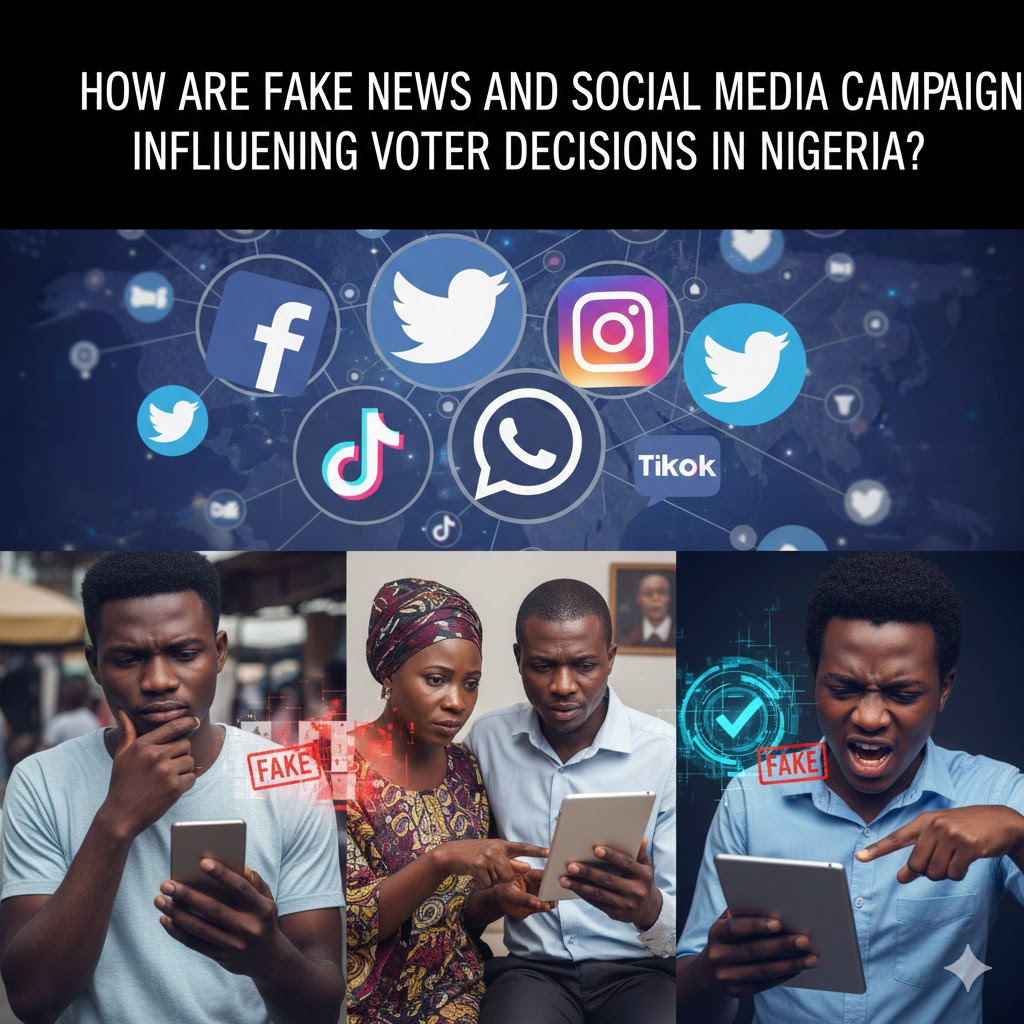
How Are Fake News and Social Media Campaigns Influencing Voter Decisions in Nigeria?
In recent years, social media has transformed political communication and voter engagement in Nigeria. Platforms such as Facebook, X (formerly Twitter), Instagram, WhatsApp, and TikTok have become powerful tools for political messaging, campaign mobilization, and public debate. At the same time, the rapid spread of misinformation, disinformation, and politically motivated “fake news” has raised serious concerns about its impact on electoral integrity and voter decision-making.
Digital campaigns now shape public perception in real time. Political parties, candidates, influencers, and advocacy groups use online platforms to promote policies, attack opponents, share campaign promises, and mobilize supporters. However, alongside legitimate political communication, unverified claims, manipulated images, misleading headlines, and coordinated propaganda efforts can circulate widely before fact-checking mechanisms intervene.
This poll seeks to measure how Nigerians perceive the influence of fake news and social media campaigns on voter attitudes and electoral choices. Specifically, it aims to explore:
How frequently voters encounter political misinformation online
Whether exposure to unverified information affects voting decisions
The level of trust Nigerians place in social media political content
The role of influencers and online political commentators
Whether digital campaigns are strengthening or weakening democratic engagement
The survey also intends to assess whether voters actively verify information before sharing it and whether media literacy levels influence susceptibility to misinformation. Additionally, it will examine generational differences in how social media shapes political opinions and campaign engagement.
The findings from this poll will provide data-driven insights for policymakers, electoral stakeholders, civil society organizations, digital platform operators, researchers, and media organizations working to strengthen democratic processes and combat misinformation. By understanding how fake news and social media campaigns influence voter decisions, stakeholders can design more effective voter education programs, promote digital literacy, and improve transparency in political communication.
Participation in this poll is voluntary, and responses will be used solely for research and public opinion analysis. The goal is to contribute constructively to discussions on electoral integrity, digital responsibility, and the evolving role of social media in Nigeria’s democracy.
Important Notice
This poll is conducted strictly for research and public opinion purposes. It does not represent the official position of any government agency, electoral body, social media platform, political party, candidate, or advocacy organization.
The views expressed in the poll results reflect the personal opinions and experiences of respondents at the time of participation. They should not be interpreted as verified facts, legal conclusions, or formal assessments of any individual, institution, or digital platform.
Participation in this poll is voluntary, and responses are collected anonymously unless otherwise stated. The organizers do not endorse or oppose any political party, candidate, or online platform. The purpose of this survey is to promote informed discussion on the role of social media, misinformation, and digital campaigns in shaping voter decisions in Nigeria.
Comments (0)
Poll Creator

Ikechukwu Anaekwe
Client
Poll Statistics
0
Polling Settings
Regulations
Voting Security
Results Visibility
Related Polls

What makes a Nigerian buyer trust an Instagram or WhatsApp vendor enough to pay before delivery?
Would you choose a private hospital over a government hospital for treatment?
Would you buy insurance if the claims process was fully digital?
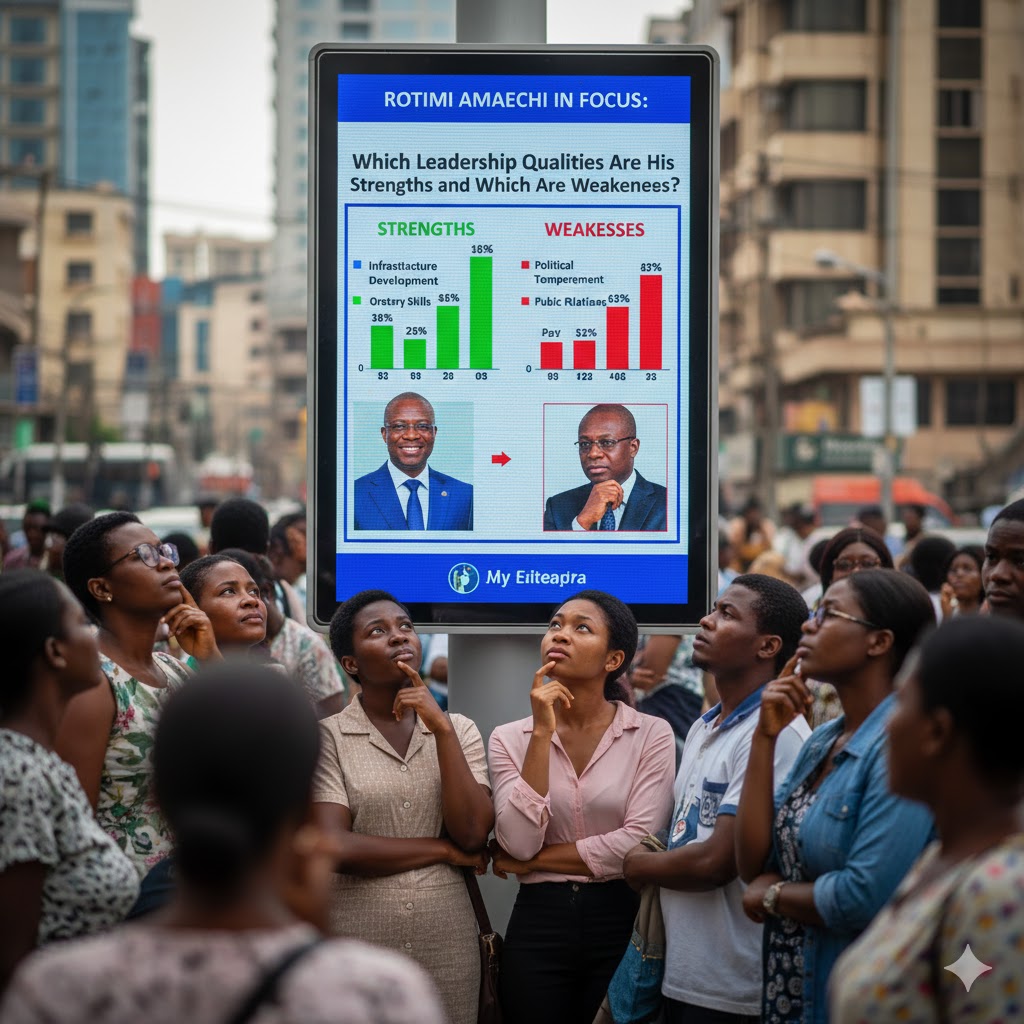
Rotimi Amaechi in Focus: Which Leadership Qualities Are His Strengths and Which Are Weaknesses?
No comments yet. Be the first to share your thoughts!