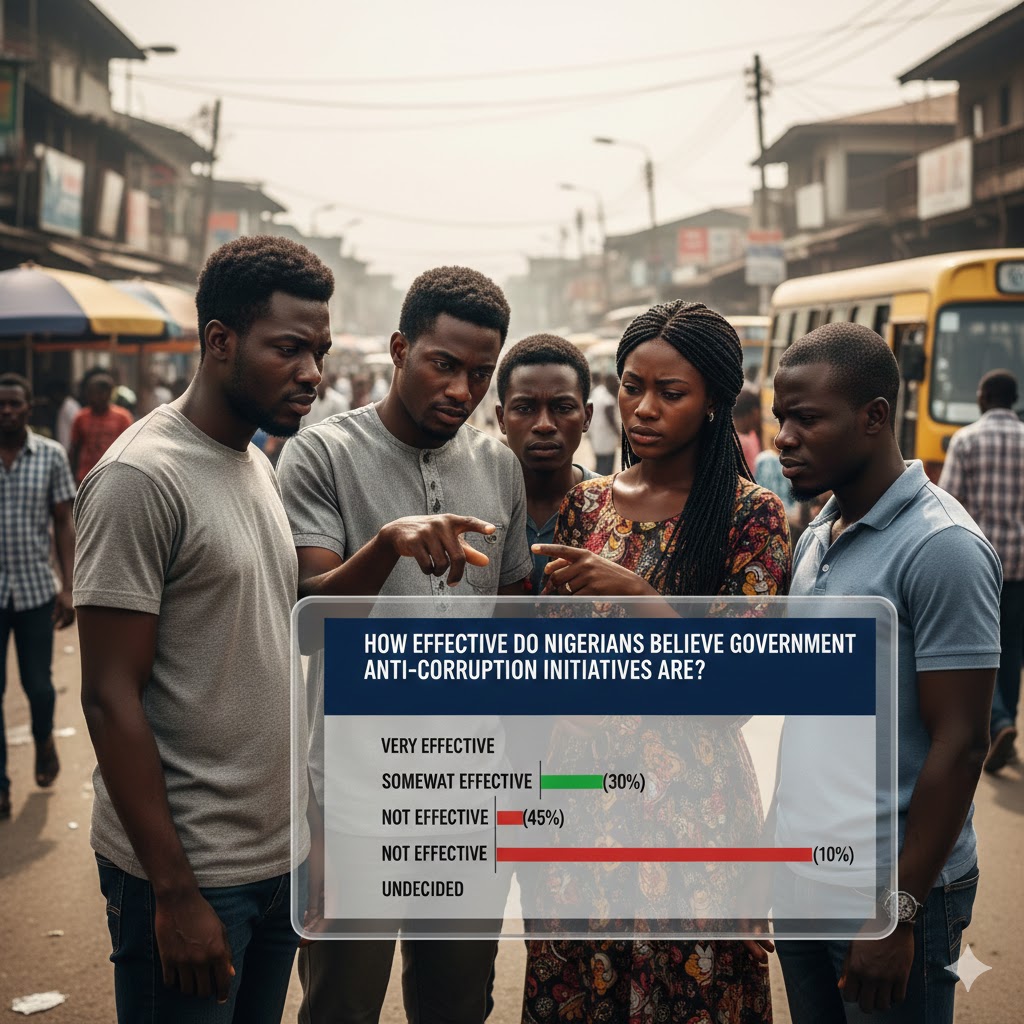
How Effective Do Nigerians Believe Government Anti-Corruption Initiatives Are?
Corruption has remained one of the most debated and sensitive issues in Nigeria’s political and socio-economic landscape. Over the years, successive administrations—from the era of Olusegun Obasanjo to Muhammadu Buhari and now Bola Ahmed Tinubu—have introduced various anti-corruption policies, reforms, and enforcement strategies aimed at promoting transparency, accountability, and good governance.
Institutions such as the Economic and Financial Crimes Commission (EFCC), the Independent Corrupt Practices Commission (ICPC), and the Code of Conduct Bureau (CCB) were established to investigate and prosecute corruption-related offenses. In addition, policies like whistleblower protections, digital financial tracking systems, and public procurement reforms have been introduced to curb financial mismanagement in public offices.
Despite these efforts, public perception remains divided. Some Nigerians believe anti-corruption campaigns have led to high-profile prosecutions, improved financial oversight, and greater public awareness. Others argue that enforcement is selective, politically motivated, or insufficient to address systemic corruption at federal, state, and local government levels.
This poll seeks to measure how Nigerians perceive the effectiveness of government anti-corruption initiatives. Do citizens believe these measures are genuinely reducing corruption? Are anti-corruption agencies operating independently and transparently? Has there been a noticeable improvement in accountability across public institutions? Or do Nigerians feel that corruption remains largely unchecked despite official efforts?
The findings from this poll will provide valuable insight into public confidence in Nigeria’s anti-corruption framework, help identify perception gaps, and inform discussions among policymakers, civil society organizations, business leaders, and voters. By capturing opinions across different regions, age groups, and socio-economic backgrounds, this survey aims to present a balanced and data-driven understanding of national sentiment regarding anti-corruption efforts in Nigeria.
Your participation will contribute to a broader national conversation about governance, integrity, and the future direction of anti-corruption reforms in Nigeria.
Important Notice
This poll is conducted solely for research, public opinion analysis, and informational purposes. It does not represent the official position of any government agency, political party, or anti-corruption institution, including the Economic and Financial Crimes Commission, the Independent Corrupt Practices Commission, or the Code of Conduct Bureau.
The results reflect the personal views and perceptions of respondents at the time of participation and should not be interpreted as verified facts, legal conclusions, or formal evaluations of government performance. Participation in this poll is voluntary, and responses are collected anonymously unless otherwise stated.
The organizers do not endorse or oppose any individual, administration, or political organization. The purpose of this poll is to encourage constructive civic engagement and contribute to informed public discourse on governance and accountability in Nigeria.
Comments (0)
Poll Creator

Ikechukwu Anaekwe
Client
Poll Statistics
0
Polling Settings
Regulations
Voting Security
Results Visibility
Related Polls
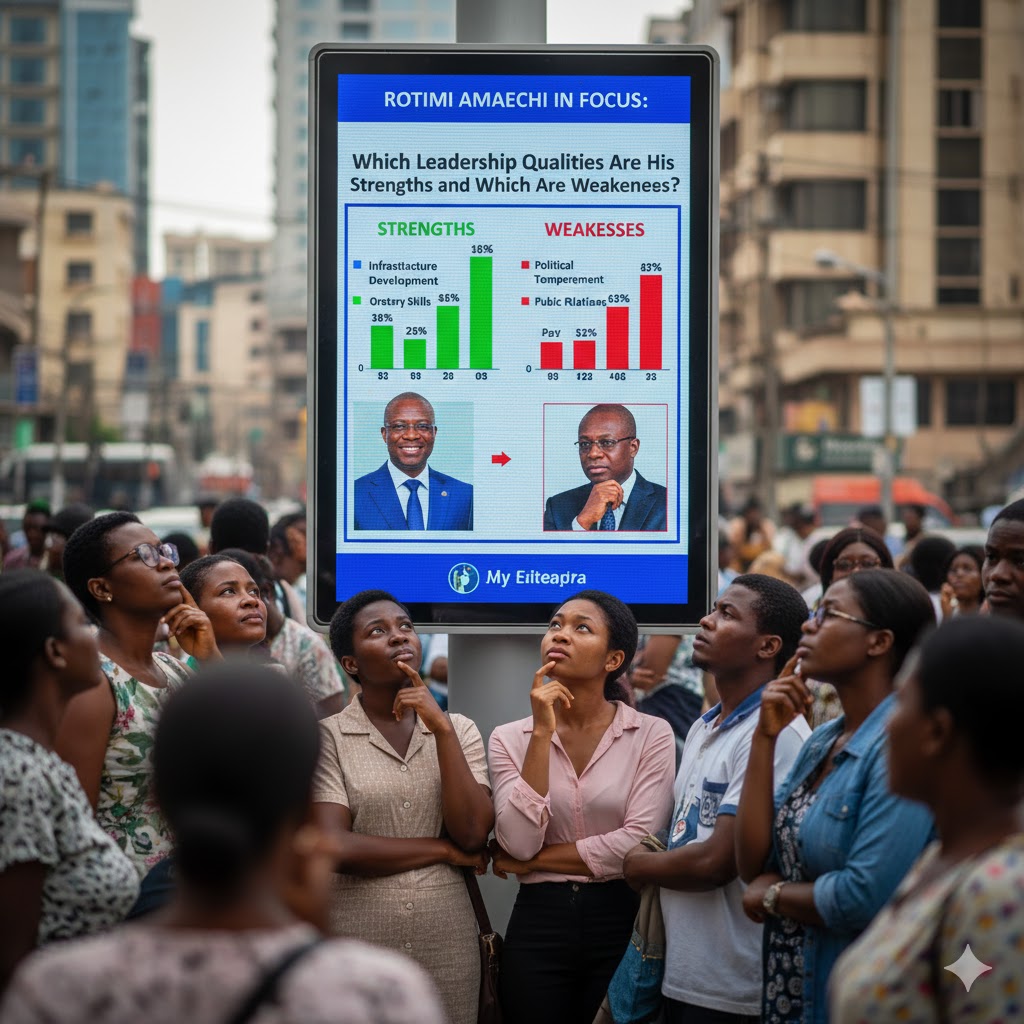
Rotimi Amaechi in Focus: Which Leadership Qualities Are His Strengths and Which Are Weaknesses?
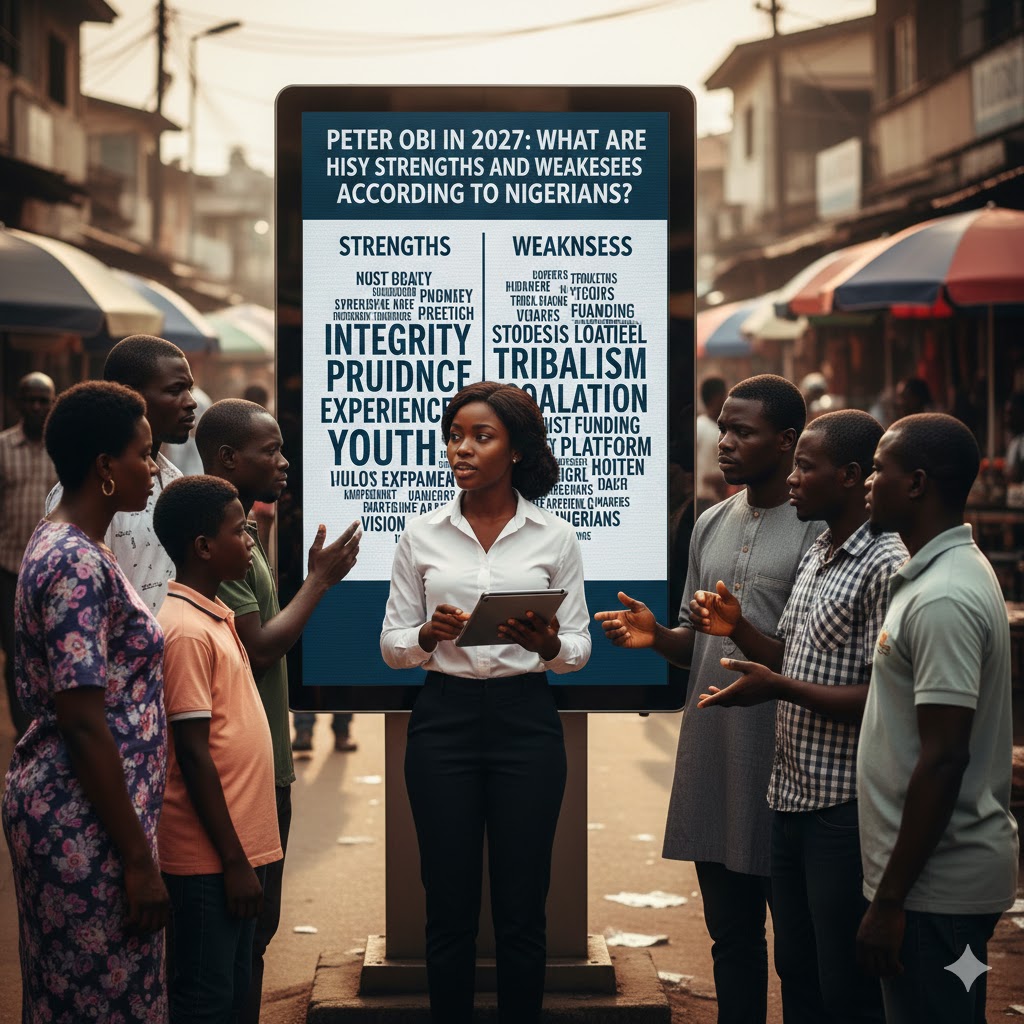
Peter Obi in 2027: What Are His Key Strengths and Weaknesses According to Nigerians?
Peter Obi’s Electability in 2027: Has His Popularity Increased or Declined Since 2023?
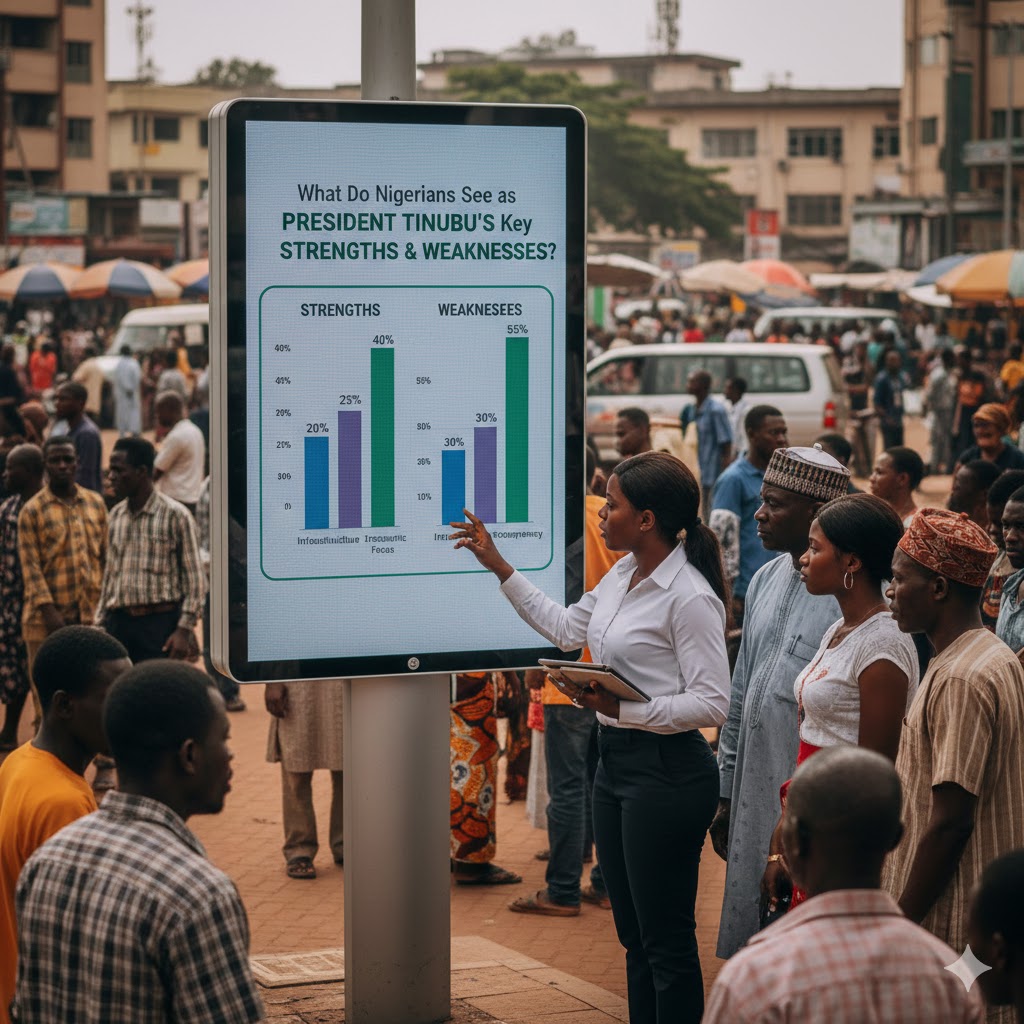
What Do Nigerians See as President Tinubu’s Key Strengths and Weaknesses?
No comments yet. Be the first to share your thoughts!