In today’s fast-moving and highly competitive market, launching a product without first understanding consumer expectations can be a costly mistake. Customers are more informed than ever, and their preferences shift quickly in response to trends, pricing, and perceived value.
For brands looking to reduce uncertainty and make smarter decisions, opinion polls have become one of the most effective tools for product testing. By gathering direct feedback from potential buyers, brands can validate ideas, refine product features, and enter the market with greater confidence.
Opinion polls are structured feedback tools designed to capture public or targeted consumer opinions on specific questions. Unlike lengthy market research studies, opinion polls are concise and focused, making them easier for respondents to complete and faster for brands to analyze.
This speed and simplicity allow businesses to test assumptions in real time and respond quickly to changing market conditions. When deployed strategically, opinion polls provide insights into consumer preferences, buying intentions, pricing perceptions, and emotional responses to products.
Testing products before launch is essential for minimizing business risk. Many product failures occur not because of poor quality, but because the product does not align with real consumer needs or expectations.
Opinion polls allow brands to validate demand early, ensuring that development efforts are guided by market reality rather than internal assumptions. This approach saves time and resources while increasing the likelihood of product acceptance.
One of the earliest stages where opinion polls prove valuable is during idea validation. Before committing to product development, brands can use polls to gauge interest in a concept and understand whether it addresses a genuine problem.
Feedback collected at this stage helps brands prioritize ideas with the strongest market potential and discard those that lack appeal. This early validation process ensures that only viable concepts move forward.
As products evolve from ideas into tangible offerings, opinion polls play a crucial role in feature testing. Brands often struggle to decide which features to include and which to exclude. Polling allows potential customers to express what they value most, helping brands focus on features that truly matter.
This not only improves user satisfaction but also prevents unnecessary complexity and inflated production costs.
Pricing is another critical area where opinion polls provide clarity. Setting the wrong price can limit adoption or erode profitability, even if the product itself is strong. Through carefully designed polls, brands can assess how consumers perceive different price points and whether they consider a product affordable, expensive, or good value for money. These insights help businesses strike a balance between competitiveness and profitability before entering the market.
Visual appeal also plays a significant role in purchasing decisions, making packaging and design testing an important application of opinion polls. Consumers often make snap judgments based on packaging, colors, and layout. Polls that present multiple design options allow brands to identify which visuals attract attention, communicate value, and build trust. Rather than relying on internal opinions, brands can let consumer preferences guide final design choices.
Beyond physical appearance, opinion polls are highly effective for testing brand messaging and positioning. How a product is described can significantly influence perception and purchase intent.
Polling helps brands understand whether their messaging is clear, compelling, and aligned with consumer expectations. This ensures that the language used in marketing materials resonates with the intended audience and accurately conveys the product’s value.
As launch approaches, opinion polls can be used to measure overall market readiness. By assessing purchase intent and identifying potential barriers, brands gain insight into whether the product is truly ready for market. This final round of feedback often highlights last-minute improvements that can enhance acceptance and performance upon launch.
The effectiveness of product testing through opinion polls depends heavily on reaching the right audience. Feedback is only valuable if it comes from people who represent the brand’s target market. By tailoring polls to specific demographics, locations, and consumer behaviors, brands ensure that insights reflect real buying patterns and preferences. This targeted approach improves accuracy and relevance, leading to better decisions.
Collecting poll responses is only part of the process. The real value lies in turning data into action. Brands must analyze trends across responses, identify recurring themes, and interpret both quantitative results and qualitative feedback. Opinion polling works best as an ongoing process, allowing brands to refine ideas and test improvements continuously rather than relying on a single data point.
Despite their benefits, opinion polls can be misused if not designed carefully. Poorly worded questions, biased phrasing, or overly long surveys can distort results and discourage participation. Brands that treat opinion polling as a strategic tool rather than a one-time exercise are more likely to gain meaningful insights and long-term value.
Beyond individual product launches, opinion polls contribute to sustained brand growth. Regular engagement with consumers fosters trust and signals that the brand values customer input. Over time, this approach helps businesses anticipate market trends, adapt to changing preferences, and build stronger customer relationships. Brands that consistently listen and respond to feedback are better positioned to innovate and remain competitive.
In an era where consumer choice determines success, opinion polls have become an indispensable tool for brands seeking clarity and confidence.
They provide a direct line to customer expectations, enabling smarter decisions at every stage of product development. By integrating opinion polls into their testing strategy, brands reduce uncertainty, optimize resources, and increase the chances of launching products that truly resonate with the market.

How Brands Can Test Products Using Opinion Polls
General
General
Ikechukwu Anaekwe
February 09, 2026
5 min read
0 Shares
Latest Polls

Latest Datasets
No datasets available yet.
Related Posts in General
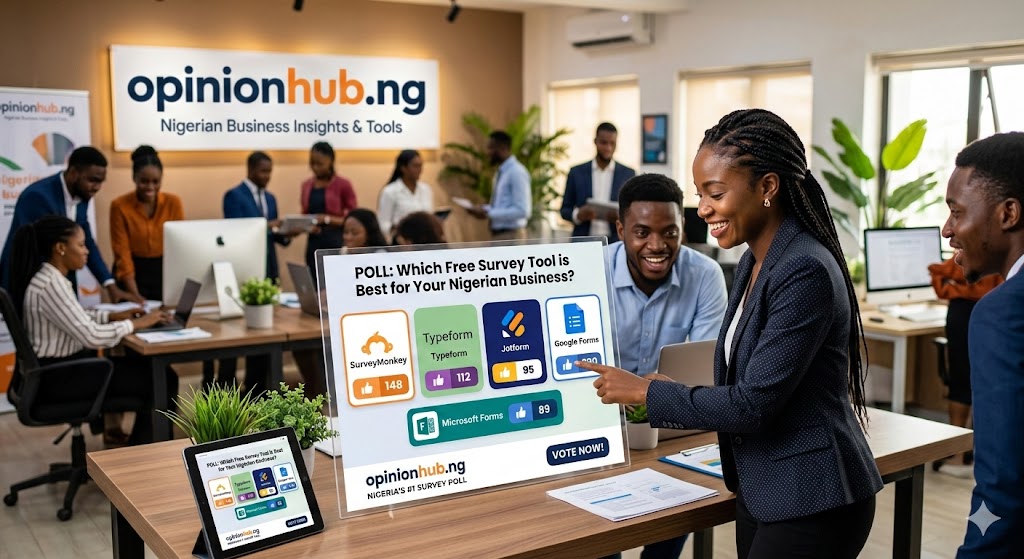
Free survey tool for Nigerian businesses
In today’s competitive Nigerian market, data is no longer optional — it is e...
Ojo-Olayinka Foluwasomi
Mar 02, 2026
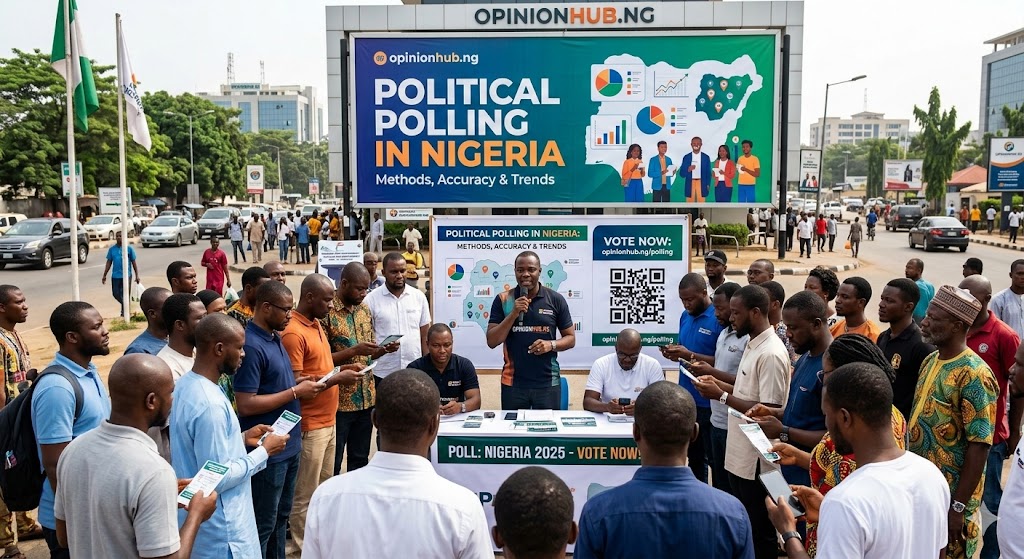
Political Polling in Nigeria: Methods, Accuracy & Trends
Political polling has become an essential part of democratic societies, providin...
Ojo-Olayinka Foluwasomi
Mar 02, 2026

The Future of Digital Voting & Online Polling in Nigeria
The rise of digital technology has transformed the way people interact, share op...
Ojo-Olayinka Foluwasomi
Mar 02, 2026

How Businesses Can Use Opinion Polls to Grow in Nigeria.
In today’s digital era, businesses in Nigeria face an increasingly competitive...
Ojo-Olayinka Foluwasomi
Mar 02, 2026

How to Create Viral Polls That Nigerians Love to Vote On
Creating viral polls that Nigerians love to vote on is both an art and a science...
Ojo-Olayinka Foluwasomi
Mar 02, 2026


Comments (0)
No comments yet. Be the first to comment!