Nigeria is Africa’s most populous nation, home to over 220 million people with diverse cultural, economic, and social backgrounds. For businesses, this diversity presents both opportunities and challenges.
Understanding consumer behavior in Nigeria is critical to creating products, services, and marketing campaigns that resonate with the local market. One of the most effective ways to gain this understanding is through well-structured polls. Polls provide direct insights from consumers, revealing preferences, priorities, and patterns that often remain hidden without systematic research.
Consumer behavior in Nigeria is shaped by a unique mix of factors, including cultural norms, regional differences, income levels, and rapid technological adoption. For example, urban consumers in Lagos may prioritize convenience and digital solutions, while consumers in rural areas may value affordability and accessibility.
By using polls, businesses can capture these nuances and segment their target audience more effectively. A poll conducted nationwide or regionally can provide granular insights into how different groups perceive brands, make purchasing decisions, and respond to advertising.
Polls also help identify trends in spending habits. Nigerian consumers are known for their adaptability, frequently shifting priorities based on economic conditions, seasonality, and social influences. For instance, during festive seasons like Christmas or Eid, spending patterns change dramatically, favoring gifts, entertainment, and food.
A well-timed poll can track these shifts, allowing businesses to adjust inventory, promotions, and messaging to align with consumer behavior. Beyond seasonal trends, polls reveal deeper patterns, such as preferences for certain payment methods, product quality expectations, or brand loyalty levels, which are crucial for strategic decision-making.
Another significant advantage of polls is their ability to measure consumer perception and satisfaction. In Nigeria, word-of-mouth and reputation play a major role in influencing purchase decisions.
Businesses can use polls to gauge how their brand is perceived, identify areas for improvement, and track changes in consumer sentiment over time. By acting on poll results, companies can enhance customer experiences, increase loyalty, and ultimately boost revenue.
This feedback loop is especially important for small and medium-sized enterprises (SMEs), which often rely on reputation and community trust to grow in competitive markets.
Understanding Nigerian consumer behavior through polls is also invaluable for marketing strategy. With multiple channels available—from traditional media like radio and TV to digital platforms such as social media and mobile apps—businesses must know which channels their audience prefers.
Polls can reveal how Nigerians consume information, which types of advertisements resonate, and what messaging is most likely to drive engagement. This intelligence helps businesses optimize marketing budgets, target the right segments, and craft campaigns that convert.
Moreover, polls can uncover unmet needs and emerging opportunities. Nigeria’s market is dynamic, with new trends, technologies, and consumer expectations constantly evolving. Businesses that rely solely on assumptions may miss opportunities that competitors are quick to exploit.
Polls provide early signals of market demand, potential gaps in the product or service offerings, and areas where innovation could create a competitive edge. For instance, the rise of fintech solutions in Nigeria was preceded by clear signals from consumer research indicating dissatisfaction with traditional banking methods.
Companies that acted on these insights capitalized on the trend and gained significant market share.
Demographics play a critical role in shaping consumer behavior in Nigeria, and polls allow businesses to analyze these factors effectively. Age, gender, education, income level, and location all influence preferences and decision-making.
By segmenting poll data according to demographics, businesses can design tailored products, pricing strategies, and marketing messages that resonate with specific consumer groups. For example, younger urban consumers may respond positively to tech-driven solutions, while older or rural consumers may prioritize affordability and ease of use.
This level of insight ensures that businesses are not adopting a one-size-fits-all approach, which is often ineffective in diverse markets.
Polls also serve as a tool to monitor the impact of external factors on consumer behavior. In Nigeria, fluctuations in the economy, political developments, and social changes can significantly influence spending patterns.
Businesses that continuously track these changes through polls can adapt quickly, reducing risk and maintaining relevance. For example, a sudden increase in fuel prices may shift consumer priorities toward essential goods, while a new government policy could affect purchasing decisions in specific sectors. Polls provide timely data to navigate these dynamics effectively.
In addition, the use of digital tools has made conducting polls more efficient and far-reaching in Nigeria.
Online surveys, social media polls, and mobile-based questionnaires allow businesses to reach a broader audience quickly and cost-effectively. These tools enable real-time data collection and analysis, giving companies the ability to respond rapidly to consumer insights.
Combining traditional and digital polling methods ensures a comprehensive understanding of consumer behavior, capturing both online-savvy and offline populations.
In conclusion, understanding Nigerian consumer behavior is essential for businesses seeking sustainable growth and competitive advantage. Polls provide a structured and reliable method to gather insights on preferences, spending habits, perception, and emerging trends. By leveraging this data, businesses can make informed decisions, optimize marketing strategies, improve customer satisfaction, and identify new opportunities.
Whether targeting urban or rural markets, young or older consumers, or niche or broad segments, polls offer the clarity and foresight required to thrive in Nigeria’s complex and dynamic marketplace. For businesses willing to invest in understanding their audience, polls are not just a research tool—they are a strategic necessity that can drive success and long-term growth.

Understanding Nigerian Consumer Behavior Through Polls
General
General
Ikechukwu Anaekwe
February 09, 2026
5 min read
0 Shares
Latest Polls

Latest Datasets
No datasets available yet.
Related Posts in General
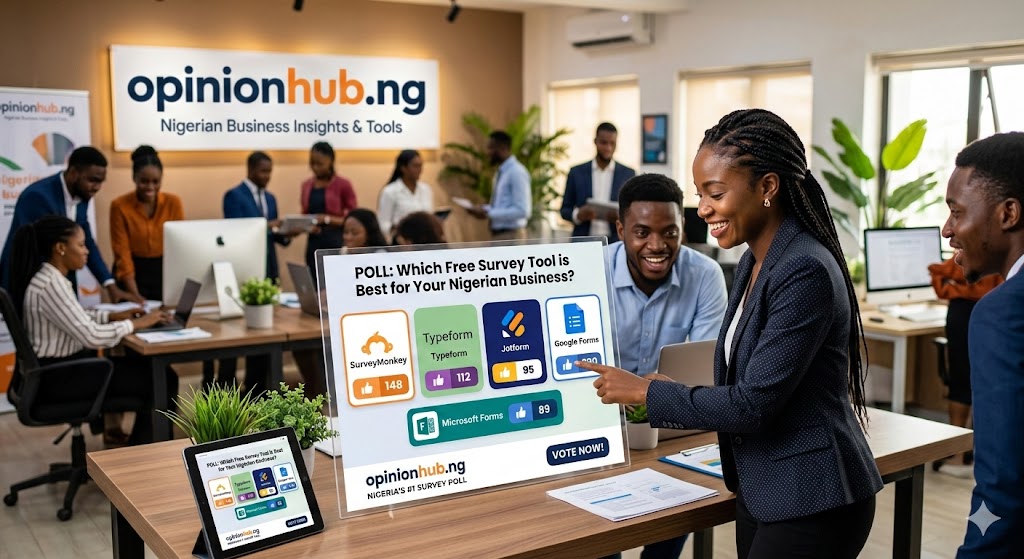
Free survey tool for Nigerian businesses
In today’s competitive Nigerian market, data is no longer optional — it is e...
Ojo-Olayinka Foluwasomi
Mar 02, 2026
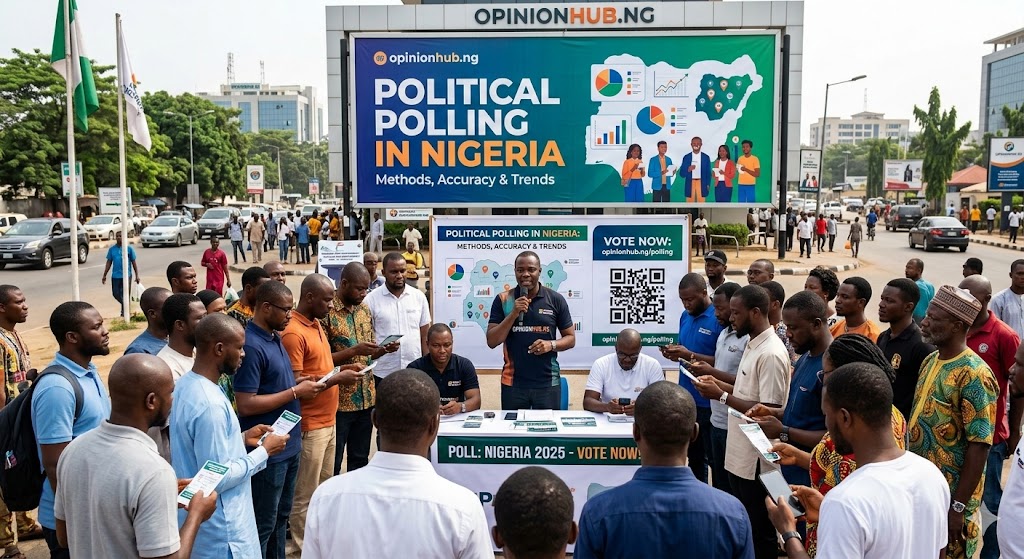
Political Polling in Nigeria: Methods, Accuracy & Trends
Political polling has become an essential part of democratic societies, providin...
Ojo-Olayinka Foluwasomi
Mar 02, 2026
The Future of Digital Voting & Online Polling in Nigeria
The rise of digital technology has transformed the way people interact, share op...
Ojo-Olayinka Foluwasomi
Mar 02, 2026

How Businesses Can Use Opinion Polls to Grow in Nigeria.
In today’s digital era, businesses in Nigeria face an increasingly competitive...
Ojo-Olayinka Foluwasomi
Mar 02, 2026

How to Create Viral Polls That Nigerians Love to Vote On
Creating viral polls that Nigerians love to vote on is both an art and a science...
Ojo-Olayinka Foluwasomi
Mar 02, 2026


Comments (0)
No comments yet. Be the first to comment!