In Nigeria’s rapidly evolving business landscape, understanding customer needs and preferences is no longer optional—it is essential for growth, profitability, and long-term success. With a diverse population, varying consumer behaviors, and emerging digital markets, businesses face the challenge of making informed decisions that truly resonate with their target audience.
One of the most effective tools for bridging this gap is polling. By systematically collecting the opinions, preferences, and experiences of customers, polling enables businesses to gain actionable insights and make data-driven decisions rather than relying on assumptions or guesswork.
Polling is a method of gathering information directly from customers by asking targeted questions about their experiences, expectations, and satisfaction with products or services. In Nigeria, where consumer behavior varies widely across regions, age groups, income levels, and cultural backgrounds, polling provides businesses with a clear picture of what customers want. Without this structured approach, companies risk making decisions based on assumptions that may not reflect the reality of their diverse customer base.
One of the main advantages of polling is that it provides accurate and measurable insights into customer behavior. For example, a business planning to launch a new product can use polls to determine which features are most desirable, what price points are acceptable, and how customers perceive the brand.
These insights help reduce the risk of failed product launches and wasted investments. Similarly, marketing campaigns that are informed by polling data are more likely to reach the right audience with the right message, resulting in higher engagement and better return on investment.
Polling also plays a critical role in improving customer experience. Businesses can use polls to identify pain points in their service delivery, understand reasons for dissatisfaction, and explore what customers value most. For instance, if a Nigerian online retailer discovers through polling that delivery delays are the main source of complaints, they can address logistics challenges proactively.
By responding to feedback collected through polls, businesses not only improve their operations but also demonstrate that they value customer input, which strengthens trust and loyalty.
Moreover, polling allows businesses to track trends and changes in customer preferences over time. Nigeria’s market is dynamic, with consumer tastes and expectations constantly evolving due to economic, social, and technological changes.
Regular polling enables businesses to monitor shifts in preferences, adapt their strategies accordingly, and stay ahead of competitors. It provides a real-time pulse of the market, allowing companies to pivot quickly when necessary and make strategic decisions backed by evidence.
Another key benefit of polling is its role in identifying new opportunities. Through polls, businesses can uncover unmet needs or gaps in the market that they may have overlooked. For instance, a Nigerian fintech company might use polling to understand why certain customers are hesitant to adopt digital payment solutions.
The responses could reveal barriers such as trust issues, lack of awareness, or usability challenges, giving the company insights to develop solutions that address these concerns and capture new market segments.
In addition to product and service insights, polling helps businesses understand the perception of their brand. Nigerian consumers are highly brand-conscious, and perception can significantly influence purchasing decisions. Polls can measure brand awareness, loyalty, and satisfaction, revealing how customers view the company compared to competitors.
This information is invaluable for shaping marketing messages, refining positioning strategies, and building a brand that resonates with the target audience.
For businesses looking to operate efficiently, polling also contributes to data-driven decision-making. Instead of relying on guesswork or anecdotal feedback, polling provides a structured approach to understanding customer behavior.
Decisions based on polling are more likely to succeed because they reflect real customer needs, reducing the risk of costly mistakes. Whether it is choosing product features, adjusting prices, or deciding on promotional strategies, polling equips businesses with evidence that supports smarter, more informed choices.
In the Nigerian context, where businesses often operate in competitive and unpredictable markets, polling can also help companies segment their audience effectively. Nigeria’s population is diverse, with differences in preferences and behaviors across regions, age groups, income levels, and urban-rural divides.
Polling allows businesses to identify these segments and tailor offerings and marketing strategies for each group, ensuring greater relevance and effectiveness. For example, a beverage company may discover through polls that younger consumers in urban areas prefer energy drinks, while older consumers in suburban areas prefer natural juices. Such insights enable targeted campaigns that resonate with specific audiences.
Technology has made polling more accessible and effective in Nigeria. Digital platforms, mobile surveys, social media polls, and email questionnaires allow businesses to reach a wider audience quickly and cost-effectively.
Companies can collect real-time data and analyze it for actionable insights, making polling not just a research tool, but a strategic instrument for ongoing growth. With the rise of smartphones and internet access across Nigeria, businesses now have the ability to engage with customers directly and frequently, turning polling into an integral part of their customer engagement strategy.
Ultimately, polling helps businesses move away from assumptions and guesswork toward decisions that are informed, reliable, and aligned with actual customer needs. By understanding what drives consumer choices, companies can create products, services, and experiences that resonate with their audience.
Polling fosters a culture of listening, learning, and adapting, which is essential for long-term success in a competitive Nigerian market. Businesses that prioritize polling are better positioned to innovate, enhance customer satisfaction, and build lasting loyalty.
In conclusion, polling is a powerful tool that enables Nigerian businesses to understand their customers deeply, make informed decisions, and drive growth. It provides insights into customer preferences, behaviors, and perceptions, helping companies improve products, services, marketing strategies, and overall customer experience.
In an environment where consumer needs are diverse and constantly evolving, polling allows businesses to stay relevant, competitive, and responsive. By integrating polling into their decision-making processes, Nigerian businesses can replace guesswork with data-driven strategies, resulting in more satisfied customers, stronger brand loyalty, and sustainable growth.

How Polling Helps Businesses in Nigeria Understand Their Customers
General
General
Ikechukwu Anaekwe
February 09, 2026
5 min read
0 Shares
Latest Polls

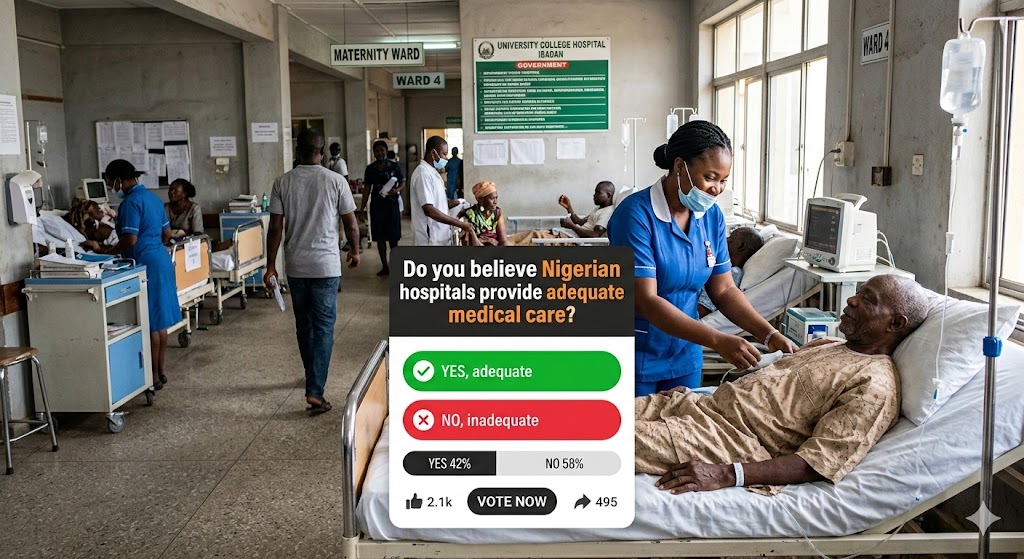
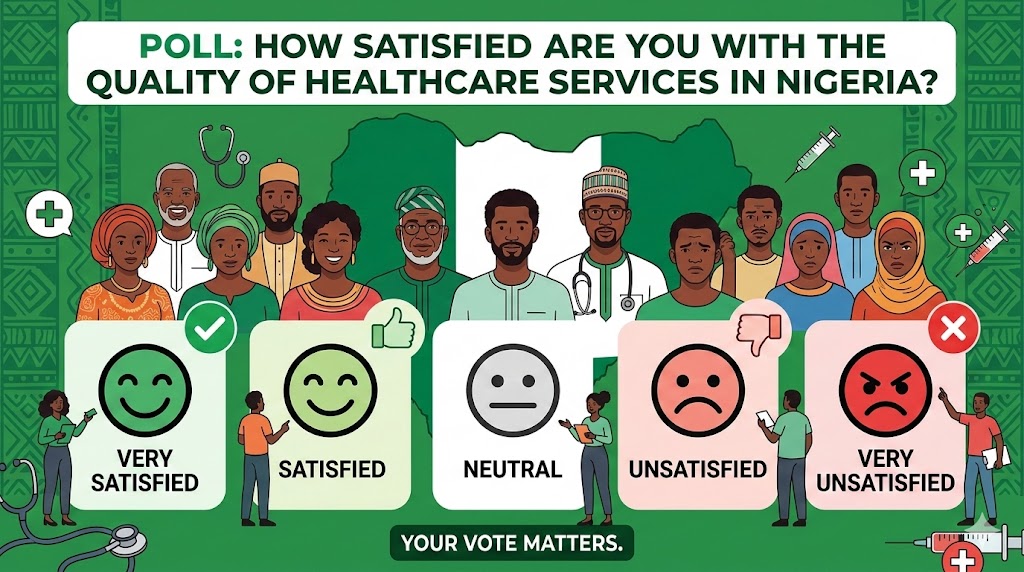
Latest Datasets
No datasets available yet.
Related Posts in General
Free survey tool for Nigerian businesses
In today’s competitive Nigerian market, data is no longer optional — it is e...
Ojo-Olayinka Foluwasomi
Mar 02, 2026
Political Polling in Nigeria: Methods, Accuracy & Trends
Political polling has become an essential part of democratic societies, providin...
Ojo-Olayinka Foluwasomi
Mar 02, 2026

The Future of Digital Voting & Online Polling in Nigeria
The rise of digital technology has transformed the way people interact, share op...
Ojo-Olayinka Foluwasomi
Mar 02, 2026

How Businesses Can Use Opinion Polls to Grow in Nigeria.
In today’s digital era, businesses in Nigeria face an increasingly competitive...
Ojo-Olayinka Foluwasomi
Mar 02, 2026

How to Create Viral Polls That Nigerians Love to Vote On
Creating viral polls that Nigerians love to vote on is both an art and a science...
Ojo-Olayinka Foluwasomi
Mar 02, 2026


Comments (0)
No comments yet. Be the first to comment!