Election seasons are often filled with loud promises, flashy campaigns, and endless political debates. But beneath the slogans and rallies lies a more powerful force shaping democratic outcomes: voter sentiment.
Election season polling has become one of the most reliable tools for understanding what voters actually care about, beyond what politicians assume or project.
From economic anxiety to security concerns and trust in leadership, polls offer a mirror into the real priorities of the electorate. As elections draw closer, these insights not only guide political strategies but also influence policy discussions and national conversations.
Why Election Season Polling Matters
Election polls are more than popularity contests. When conducted properly, they capture public opinion on critical issues, leadership performance, governance satisfaction, and future expectations. In democratic societies, polling helps to:
+ Measure voter priorities and concerns
+ Track shifts in public opinion over time
+ Predict voter turnout and behavior
+ Hold political actors accountable
For voters, polling creates a sense that their voices matter—even outside the ballot box. For policymakers and candidates, it offers direction on where trust is strong and where confidence is eroding.
The Economy: The Top Voter Concern
Across most elections globally, economic issues consistently rank as voters’ number one concern. Inflation, unemployment, cost of living, wages, and access to opportunities dominate polling results, especially during periods of economic uncertainty.
Voters want answers to practical questions:
+ Can I afford basic necessities?
+ Will I have a stable job or business?
+ Is the government managing resources responsibly?
Election season polling often shows that voters are less influenced by ideological debates when economic pressure is high. Instead, they gravitate toward candidates who present clear, realistic plans for economic growth, job creation, and financial stability.
Security and Safety: A Growing Priority
Security has become an increasingly important issue in modern election polling. Whether it involves crime, terrorism, civil unrest, or national defense, voters prioritize safety for themselves, their families, and their communities.
Polling data frequently highlights concerns around:
+ Rising crime rates
+ Effectiveness of law enforcement
+ Border security and migration
+ National security threats
When voters feel unsafe, they are more likely to support leaders who project strength, decisiveness, and a clear security strategy—even if they disagree with them on other issues.
Governance, Corruption, and Trust in Leadership
Another recurring theme in election season polling is trust. Voters want leaders they believe are honest, transparent, and accountable. In many emerging democracies and developing economies, corruption and poor governance rank high on voter concern lists.
Polls often reveal frustration with:
+ Misuse of public funds
+ Lack of accountability
+ Broken campaign promises
+ Weak institutions
Voters increasingly use polling platforms to express dissatisfaction with political elites and demand reform, integrity, and better leadership standards.
Healthcare and Social Welfare
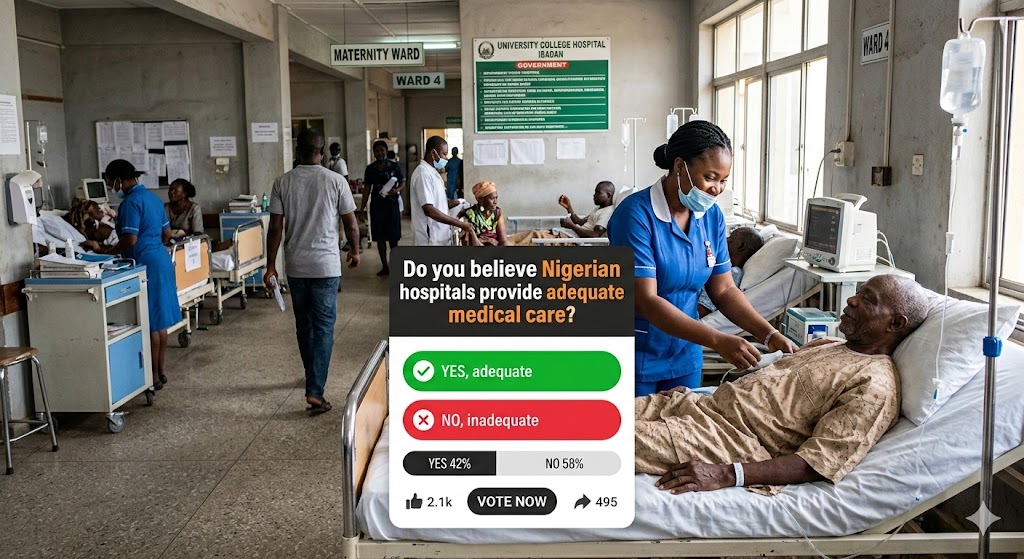
Healthcare consistently features among top voter priorities, especially in countries with limited access to quality medical services. Election polling frequently shows strong public interest in:
+ Affordable healthcare
+ Access to hospitals and doctors
+ Health insurance and public health systems
+ Crisis preparedness (pandemics, emergencies)
Beyond healthcare, voters also care deeply about social welfare programs that support vulnerable populations, including the elderly, unemployed, and low-income households.
Education and the Future of Youth
Education remains a long-term concern reflected in election season polls. Voters see education not only as a social service but as a pathway to economic growth, innovation, and national development.
Key polling themes include:
+ Quality of public education
+ Access to affordable higher education
+ Teacher welfare and training
+ Alignment between education and job markets
Parents, young voters, and professionals often rank education high when deciding who to support at the polls.
Youth, Digital Issues, and Emerging Voter Interests
Modern election polling has expanded beyond traditional issues to include digital rights, technology, and youth-focused concerns. Younger voters are particularly vocal about:
+ Employment opportunities
+ Digital inclusion and internet access
+ Innovation and entrepreneurship
+ Climate change and sustainability
Polls increasingly show that young voters value participation, transparency, and leaders who understand modern realities rather than traditional political rhetoric.
Regional and Local Issues Still Matter
While national issues dominate headlines, election season polling also highlights the importance of local and regional concerns. Infrastructure, transportation, housing, electricity, water supply, and local governance strongly influence voter decisions.
Many voters prioritize candidates who understand their immediate environment and can deliver tangible improvements at the community level.
How Polling Influences Campaign Strategies
Polling doesn’t just reflect voter opinion—it actively shapes campaigns. Political parties and candidates rely on polling data to:
+ Adjust messaging and policy focus
+ Identify swing voters and undecided demographics
+ Allocate campaign resources effectively
+ Test public response to proposed policies
However, over-reliance on polling can be risky if data is poorly collected or misinterpreted. Ethical, transparent, and methodologically sound polling remains essential.
The Limits of Election Polls
While polls are powerful, they are not perfect. Voter apathy, fear of expressing honest opinions, misinformation, and sampling bias can affect accuracy. Polls should be viewed as indicators, not guarantees.
The most reliable election season polls are those that:
+ Use diverse and representative samples
+ Ask clear, unbiased questions
+ Are transparent about methodology
+ Are interpreted responsibly
What Election Polling Ultimately Reveals
At its core, election season polling reveals a simple truth: voters care most about issues that directly affect their daily lives. Economic stability, safety, healthcare, education, and trust in leadership consistently outweigh political drama or personal attacks.
For democracies to thrive, leaders must not only win elections but also listen to what polling reveals—and act on it.

Election Season Polling: What Voters Really Care About
General
General
Ikechukwu Anaekwe
February 08, 2026
5 min read
0 Shares
Latest Polls
Latest Datasets
No datasets available yet.
Related Posts in General
Free survey tool for Nigerian businesses
In today’s competitive Nigerian market, data is no longer optional — it is e...
Ojo-Olayinka Foluwasomi
Mar 02, 2026
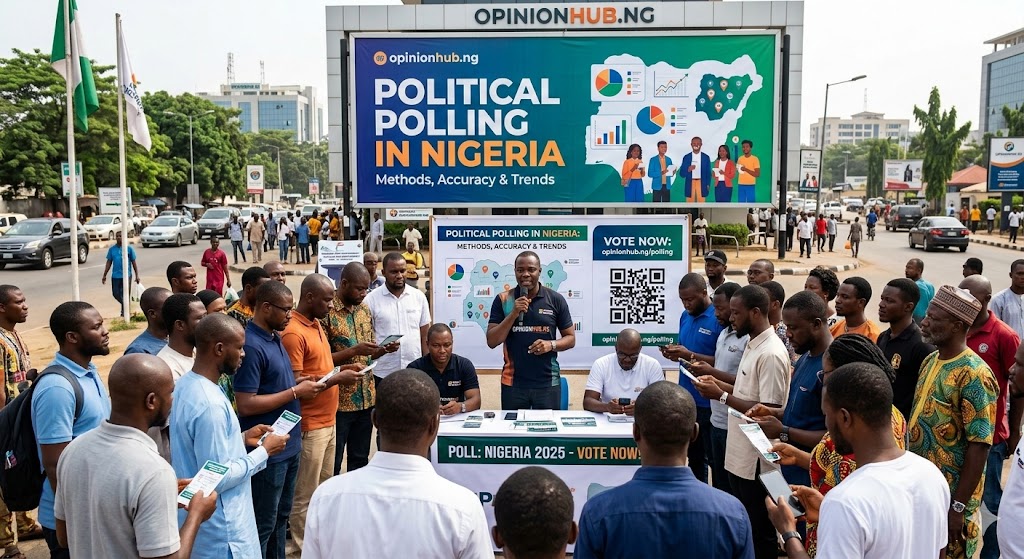
Political Polling in Nigeria: Methods, Accuracy & Trends
Political polling has become an essential part of democratic societies, providin...
Ojo-Olayinka Foluwasomi
Mar 02, 2026
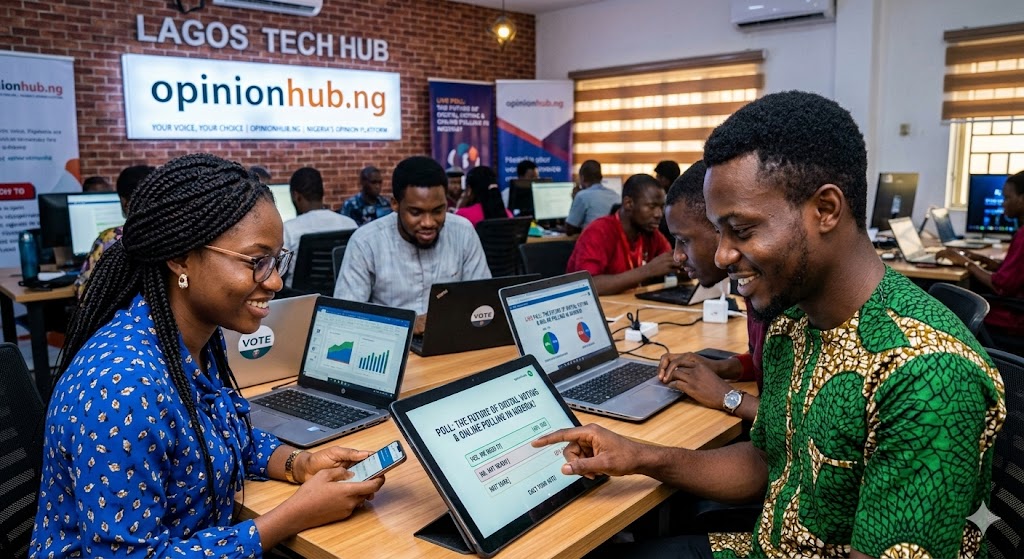
The Future of Digital Voting & Online Polling in Nigeria
The rise of digital technology has transformed the way people interact, share op...
Ojo-Olayinka Foluwasomi
Mar 02, 2026

How Businesses Can Use Opinion Polls to Grow in Nigeria.
In today’s digital era, businesses in Nigeria face an increasingly competitive...
Ojo-Olayinka Foluwasomi
Mar 02, 2026

How to Create Viral Polls That Nigerians Love to Vote On
Creating viral polls that Nigerians love to vote on is both an art and a science...
Ojo-Olayinka Foluwasomi
Mar 02, 2026


Comments (0)
No comments yet. Be the first to comment!