Political polling plays a crucial role in modern democracies, offering insights into voter preferences, guiding political strategies, and shaping public debate. In Nigeria, one of Africa’s largest democracies with a complex mix of ethnic, religious, and socio-economic groups, the landscape of political polling is undergoing rapid change.
As the nation moves toward future election cycles, the methods, technologies, and ethical frameworks used in polling will determine not only the accuracy of political forecasts but also the level of public trust and engagement in the democratic process.
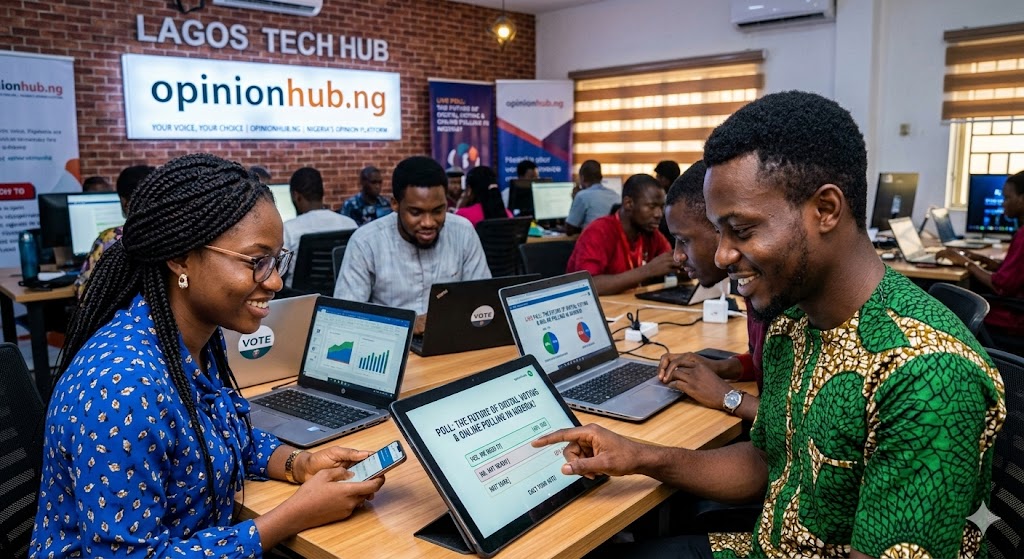
One of the most transformative developments in political polling globally is the integration of technology, and Nigeria is beginning to experience this shift. Traditional face-to-face surveys and paper questionnaires are increasingly supplemented or replaced by mobile phone surveys, online platforms, and AI-driven analytics.
With hundreds of millions of mobile subscribers in Nigeria, mobile polling has become a scalable method to reach respondents across urban and rural areas. SMS surveys, Unstructured Supplementary Service Data (USSD) polls, and Interactive Voice Response (IVR) systems are now helping pollsters collect data faster and more cost-effectively.
Alongside this, growing internet penetration allows online and app-based polling to reach younger, tech-savvy voters, providing near real-time feedback that can inform campaign strategies and public discourse. Artificial intelligence and data analytics further enhance this process by identifying trends, refining sampling methods, and predicting outcomes with greater precision.
These tools help adjust for demographic biases and anticipate shifts in voter sentiment, making polling more accurate and actionable.
Ensuring that polling accurately reflects Nigeria’s diverse population has long been a challenge. With over 200 million people spread across 36 states and the Federal Capital Territory, capturing representative samples is critical. Traditional polling methods often struggle to include rural communities and minority groups, which can lead to skewed results.
Moving forward, polling organizations are increasingly incorporating stratified sampling techniques that consider geography, age, gender, education, and income levels. Mobile and voice platforms are being used to engage non-internet users, while surveys in local languages ensure that respondents from different cultural backgrounds can participate meaningfully.
These steps enhance both the accuracy and legitimacy of polling outcomes.
As political dynamics evolve rapidly, traditional periodic surveys can struggle to capture changing voter sentiment. Economic conditions, security issues, and social movements can shift public opinion within weeks or even days, and polling must adapt to provide timely insights. Real-time polling allows political analysts, candidates, and the public to track trends as they develop, offering continuous feedback rather than static snapshots.
This shift from episodic surveys to ongoing monitoring enables campaigns to respond to emerging issues and adjust strategies accordingly while keeping citizens informed of public sentiment throughout the electoral process.
The influence of social media in Nigeria’s political ecosystem cannot be overstated. Platforms like Twitter, Facebook, Instagram, and WhatsApp provide a wealth of information on public opinion.
By analyzing interactions, posts, and engagement patterns, pollsters can identify trending issues, measure sentiment toward political figures, and detect shifts in public priorities. While social media data alone cannot replace structured surveys, it serves as a valuable complement, offering qualitative insights that enrich our understanding of voter behavior.
Maintaining transparency and public trust is essential as polling becomes more sophisticated. Nigerian polling has faced skepticism in the past over issues such as methodological transparency, bias, and accuracy. To foster confidence, organizations must openly communicate how surveys are conducted, including sampling methods and margins of error, while adhering to ethical standards that protect respondent privacy.
Independent audits of polling processes further enhance credibility and encourage public acceptance, which is vital for polling to influence democratic engagement meaningfully.
Local innovation and expertise are critical to the evolution of polling in Nigeria. While international firms provide technical know-how, Nigeria’s unique social, political, and cultural contexts require methods tailored to the local environment.
Homegrown polling organizations, universities, and research centers play a key role in developing culturally sensitive surveys, training enumerators in local languages, and interpreting findings with regional relevance. Supporting these local institutions strengthens the overall credibility and accuracy of political polling in Nigeria.
Ultimately, political polling in Nigeria serves not only to forecast election outcomes but also to enhance democratic engagement. When conducted responsibly, polling informs citizens about public opinion, encourages evidence-based debate, and holds political actors accountable. It provides benchmarks for evaluating policies and promotes a more informed electorate, contributing to the broader health of the nation’s democracy.
The future of political polling in Nigeria is both challenging and promising. Advances in technology, data analytics, and mobile connectivity offer unprecedented opportunities to understand voter preferences more accurately and inclusively.
At the same time, ethical considerations, methodological rigor, and cultural sensitivity must remain central to ensure trust and credibility. By embracing innovation while safeguarding transparency and representation, Nigeria can develop a polling ecosystem that reflects the voice of its people, enhances democratic participation, and strengthens the nation’s political future.

The Future of Political Polling in Nigeria: Trends, Challenges, and Opportunities
General
General
Ikechukwu Anaekwe
February 08, 2026
5 min read
0 Shares
Latest Polls

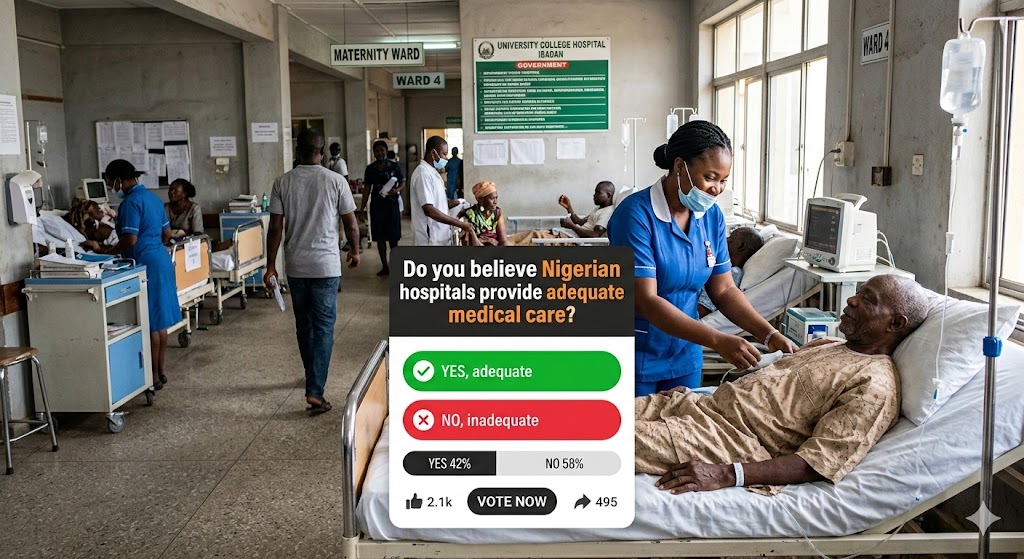
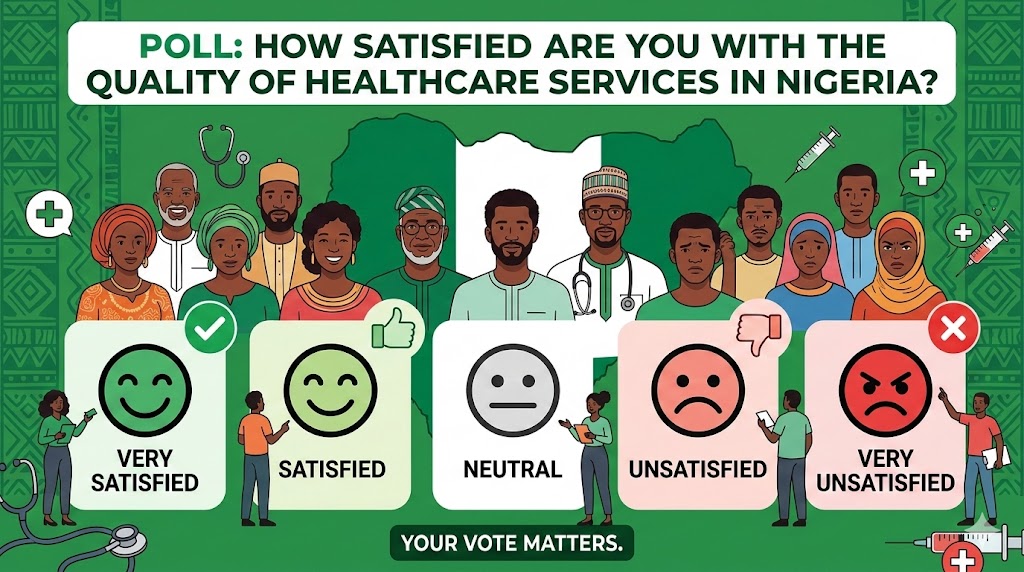
Latest Datasets
No datasets available yet.
Related Posts in General
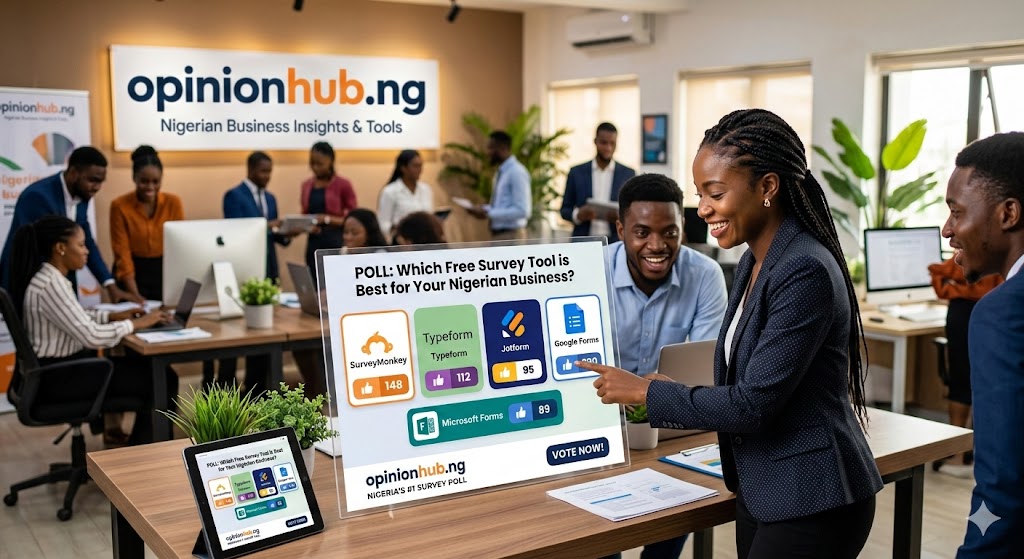
Free survey tool for Nigerian businesses
In today’s competitive Nigerian market, data is no longer optional — it is e...
Ojo-Olayinka Foluwasomi
Mar 02, 2026
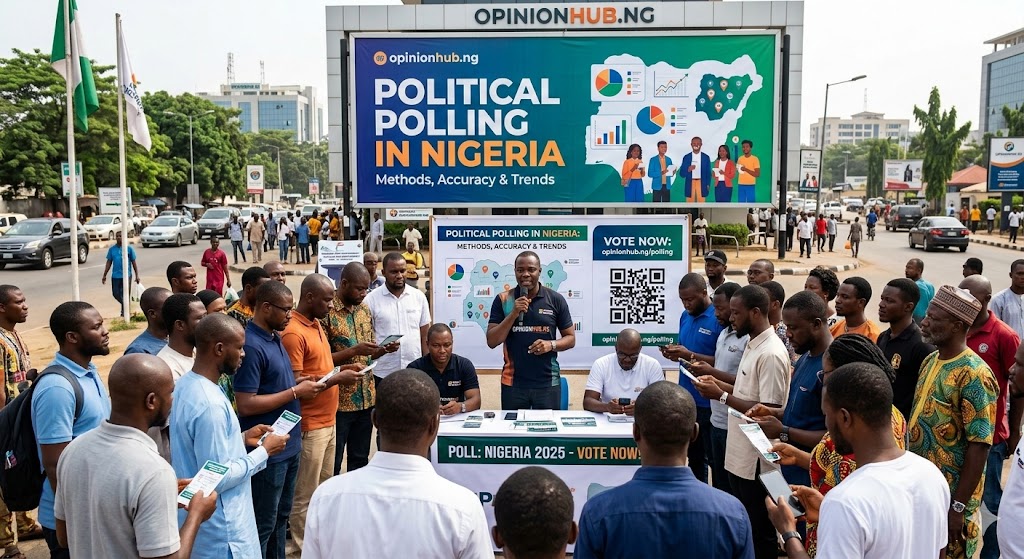
Political Polling in Nigeria: Methods, Accuracy & Trends
Political polling has become an essential part of democratic societies, providin...
Ojo-Olayinka Foluwasomi
Mar 02, 2026
The Future of Digital Voting & Online Polling in Nigeria
The rise of digital technology has transformed the way people interact, share op...
Ojo-Olayinka Foluwasomi
Mar 02, 2026

How Businesses Can Use Opinion Polls to Grow in Nigeria.
In today’s digital era, businesses in Nigeria face an increasingly competitive...
Ojo-Olayinka Foluwasomi
Mar 02, 2026

How to Create Viral Polls That Nigerians Love to Vote On
Creating viral polls that Nigerians love to vote on is both an art and a science...
Ojo-Olayinka Foluwasomi
Mar 02, 2026


Comments (0)
No comments yet. Be the first to comment!