In recent years, Nigeria’s democratic conversation has begun to shift from personality-driven politics to issue-focused engagement. At the heart of this transformation is issue-based polling—a powerful tool that captures public opinion on specific national, state, and community concerns rather than political candidates alone.
As Nigeria grapples with economic pressures, insecurity, unemployment, education reform, and governance challenges, issue-based polling has become an essential instrument for inclusive decision-making, accountability, and policy development.
What Is Issue-Based Polling?
Issue-based polling refers to the systematic collection of public opinions on specific social, economic, political, or developmental issues. Unlike traditional political polls that focus on electoral popularity, issue-based polls ask citizens direct questions such as:
+ Should Nigeria adopt a four-day workweek?
+ Is fuel subsidy removal helping or hurting households?
+ How effective is government spending on education or healthcare?
+ What should be the government’s top priority: security, jobs, or inflation control?
By focusing on issues rather than individuals, these polls give Nigerians a voice on matters that directly affect their daily lives.
Why Issue-Based Polling Matters in Nigeria
Nigeria is Africa’s most populous country, with over 200 million people across diverse ethnic, religious, and socio-economic backgrounds. Governing such a complex society requires more than assumptions—it requires data-backed insight. Issue-based polling offers this in several key ways.
1. Giving Citizens a Stronger Voice
Many Nigerians feel disconnected from governance after elections are over. Issue-based polling bridges this gap by allowing citizens to express their views regularly, not just at the ballot box. When people can weigh in on fuel prices, minimum wage, electricity tariffs, or student loans, democracy becomes more participatory and less symbolic.
2. Shifting Focus from Personalities to Policies
Nigerian politics has historically revolved around political figures rather than policy ideas. Issue-based polling helps redirect public discourse toward what leaders should do, not just who they are. This encourages voters to assess performance, ideas, and solutions rather than tribal loyalty or party slogans.
3. Informing Better Policy Decisions
Governments often rely on internal reports or elite consultations that may not reflect grassroots realities. Well-designed issue-based polls provide policymakers with real-time insights into public priorities and perceptions. For example, polling data on food inflation or transport costs can help governments design more targeted interventions.
4. Enhancing Accountability and Transparency
When public opinion on specific issues is documented and published, leaders can be held accountable. If a poll shows that 70% of Nigerians are dissatisfied with electricity supply, policymakers can no longer ignore the issue without public scrutiny. Issue-based polling creates a measurable benchmark for performance evaluation.
The Role of Digital Platforms in Nigeria’s Polling Revolution
The rise of digital platforms, social media, and mobile internet has dramatically expanded the reach of issue-based polling in Nigeria. Online polling platforms, news websites, and civic tech tools now allow thousands of Nigerians to participate in surveys within minutes.
This digital shift has several advantages:
+ Broader reach: Urban and diaspora Nigerians can participate easily.
+ Speed: Results can be collected and analyzed quickly.
+ Cost-effectiveness: Online polls reduce the cost of traditional field surveys.
+ Youth engagement: Nigeria’s young population is more likely to engage online.
Platforms like opinion-driven websites and civic engagement hubs are increasingly using issue-based polls to spark national conversations and influence public debate.
Issue-Based Polling and Youth Participation
With over 60% of Nigeria’s population under the age of 30, youth voices are critical to national development. Issue-based polling resonates strongly with young Nigerians because it focuses on concerns they care deeply about—employment, cost of living, education, digital opportunities, and governance reform.
By participating in polls on student loans, NYSC reform, tech innovation, or remote work policies, young Nigerians become active contributors to national dialogue rather than passive observers.
Applications of Issue-Based Polling in Nigeria
Governance and Public Policy
Governments can use polling data to prioritize budgets, design reforms, and evaluate public satisfaction with existing policies.
Media and Public Discourse
Media organizations can use issue-based polls to enrich reporting, move beyond speculation, and ground discussions in data-driven insights.
Civil Society and Advocacy
NGOs and advocacy groups can leverage polling results to support campaigns, influence legislation, and amplify citizen concerns.
Business and Economic Planning
Businesses and investors can use issue-based polling to understand consumer sentiment on inflation, wages, and spending behavior.
Challenges Facing Issue-Based Polling in Nigeria
Despite its promise, issue-based polling in Nigeria faces several challenges:
+ Digital divide: Rural communities and low-income groups may be underrepresented.
+ Trust issues: Skepticism about how data is used can limit participation.
+ Poorly designed polls: Biased or unclear questions can distort results.
+ Political manipulation: Poll results can be misused for propaganda if not handled transparently.
Addressing these challenges requires ethical polling practices, inclusive survey design, and transparency in data reporting.
The Future of Issue-Based Polling in Nigeria
As Nigeria’s democracy matures, issue-based polling is likely to play an even bigger role in shaping governance and public opinion. With improved digital access, data literacy, and civic awareness, polling can evolve from a conversation starter into a core governance tool.
In the long run, a Nigeria where leaders actively respond to issue-based public feedback is one where policies reflect real needs, citizens feel heard, and democracy becomes more responsive and effective.
The power of issue-based polling in Nigeria lies in its ability to transform public opinion into actionable insight. By focusing on issues that matter most to citizens, it strengthens democratic participation, improves policy outcomes, and promotes accountability.
As more Nigerians engage with issue-based polls, the country moves closer to a future where governance is shaped not by assumptions or personalities, but by the collective voice of the people.

The Power of Issue-Based Polling in Nigeria
General
General
Ikechukwu Anaekwe
February 08, 2026
5 min read
0 Shares
Latest Polls
Latest Datasets
No datasets available yet.
Related Posts in General
Free survey tool for Nigerian businesses
In today’s competitive Nigerian market, data is no longer optional — it is e...
Ojo-Olayinka Foluwasomi
Mar 02, 2026
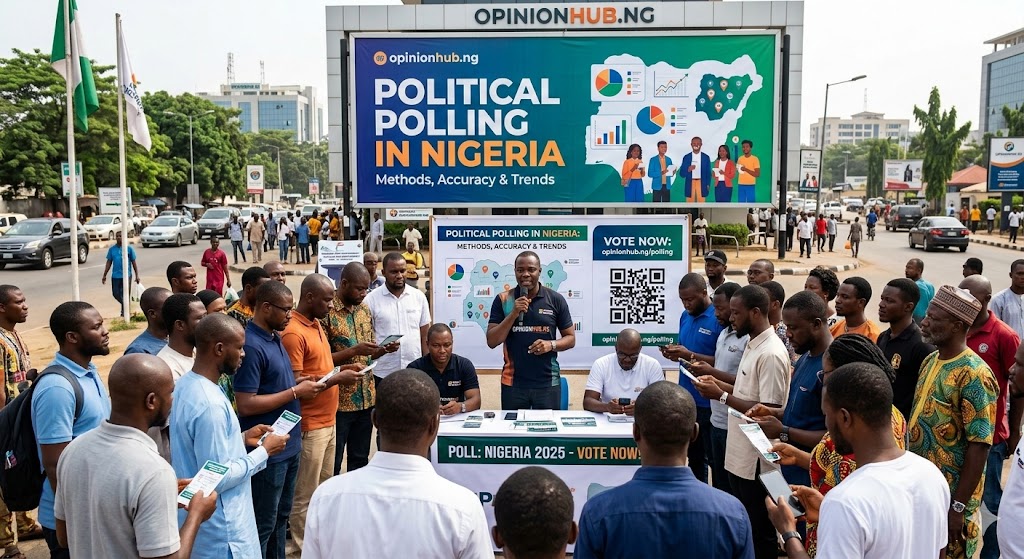
Political Polling in Nigeria: Methods, Accuracy & Trends
Political polling has become an essential part of democratic societies, providin...
Ojo-Olayinka Foluwasomi
Mar 02, 2026
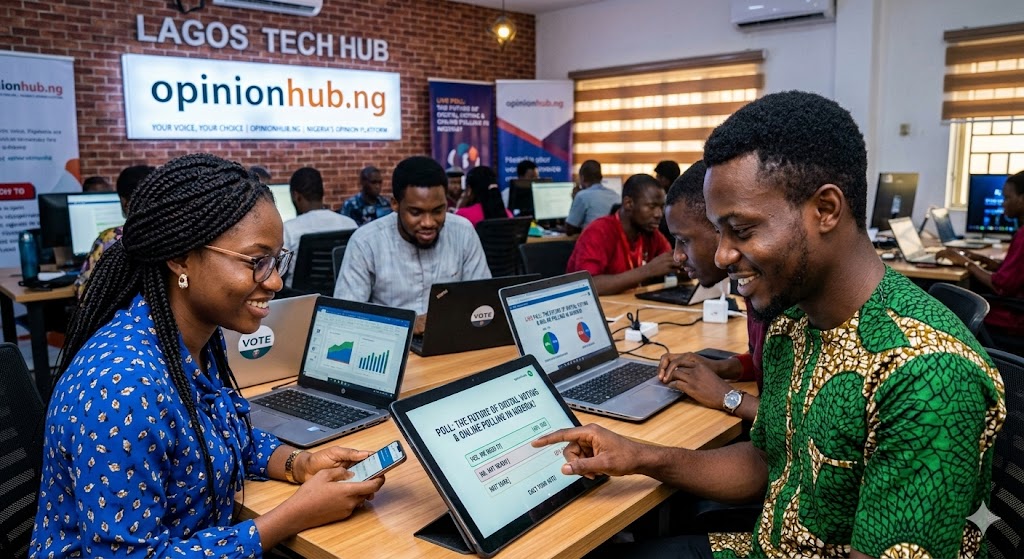
The Future of Digital Voting & Online Polling in Nigeria
The rise of digital technology has transformed the way people interact, share op...
Ojo-Olayinka Foluwasomi
Mar 02, 2026

How Businesses Can Use Opinion Polls to Grow in Nigeria.
In today’s digital era, businesses in Nigeria face an increasingly competitive...
Ojo-Olayinka Foluwasomi
Mar 02, 2026

How to Create Viral Polls That Nigerians Love to Vote On
Creating viral polls that Nigerians love to vote on is both an art and a science...
Ojo-Olayinka Foluwasomi
Mar 02, 2026


Comments (0)
No comments yet. Be the first to comment!