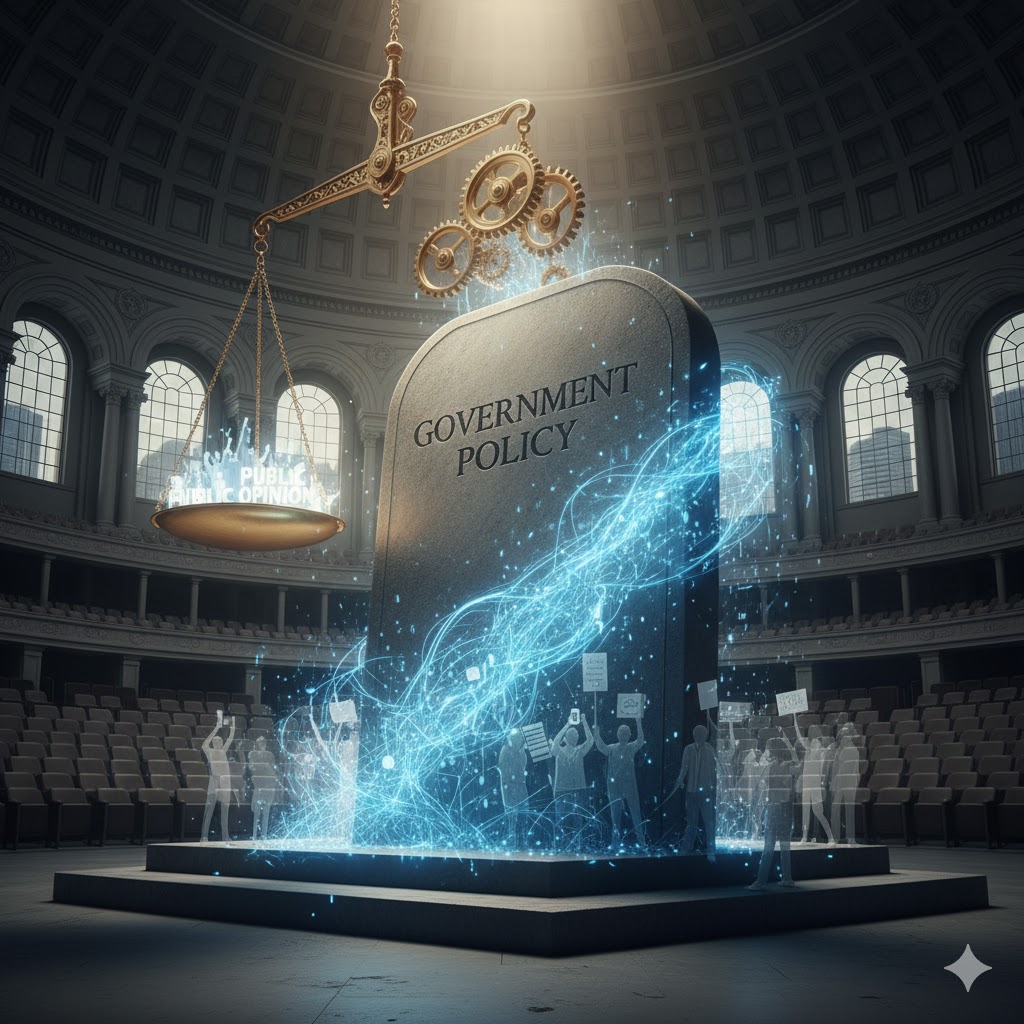
Public opinion plays a critical role in shaping government policy across democracies and even in non-democratic systems. Governments rarely operate in isolation; instead, they function within a social environment where citizens’ beliefs, values, expectations, and pressures significantly affect policy decisions. From elections and legislation to national reforms and foreign policy, public opinion acts as both a guide and a constraint on those in power.
Understanding how public opinion influences government policy is essential for citizens, policymakers, activists, and political analysts alike. This article explores the mechanisms through which public opinion is formed, how governments respond to it, and why it remains a powerful force in governance.
What Is Public Opinion?
Public opinion refers to the collective attitudes, beliefs, and preferences of the general population on political, social, and economic issues. It is shaped by multiple factors, including personal experiences, cultural values, education, media exposure, religious beliefs, and socioeconomic conditions.
Public opinion is not static; it evolves over time in response to events such as economic crises, social movements, wars, technological changes, and leadership performance. Governments often rely on public opinion data—such as opinion polls, surveys, elections, and public consultations—to understand citizens’ priorities and sentiments.
The Relationship Between Public Opinion and Government Policy
The relationship between public opinion and government policy is often described as a feedback loop. Citizens express their preferences through voting, protests, public discourse, and media engagement, while governments respond by crafting policies that align with, manage, or sometimes resist these preferences.
In democratic systems, public opinion carries particular weight because political leaders depend on electoral support to remain in power. Even in authoritarian or semi-democratic states, public opinion can still influence policy indirectly, especially when widespread dissatisfaction threatens social stability.
Key Ways Public Opinion Influences Government Policy
1. Elections and Political Mandates
Elections are the most direct channel through which public opinion influences government policy. Voters reward or punish political leaders based on their performance, campaign promises, and alignment with public concerns. Once elected, governments often interpret their victory as a mandate to implement specific policies supported by the electorate.
For example, strong public demand for job creation, security, or healthcare reform often becomes a central focus of government policy following elections. Political parties also tailor their manifestos to reflect prevailing public opinions in order to attract voters.
2. Opinion Polls and Surveys
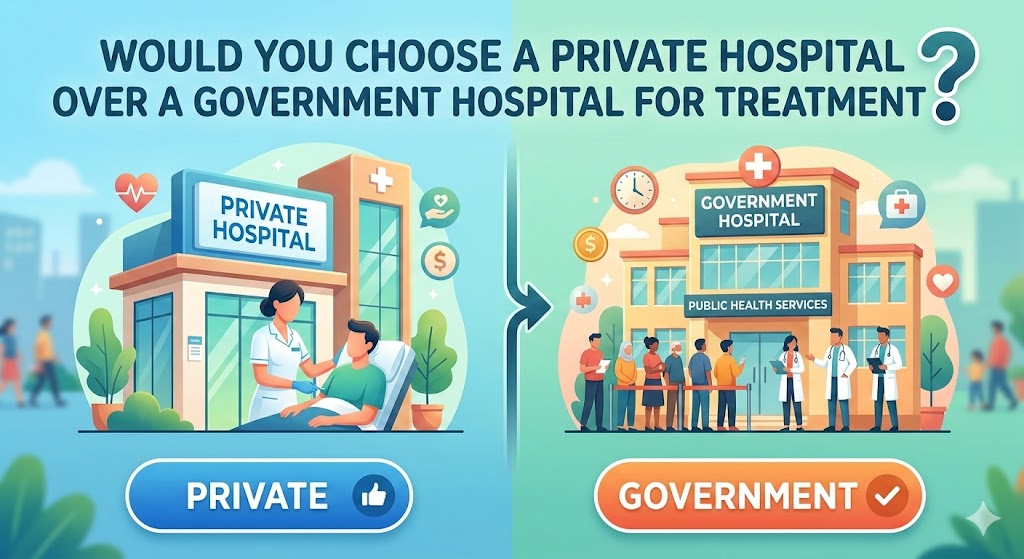
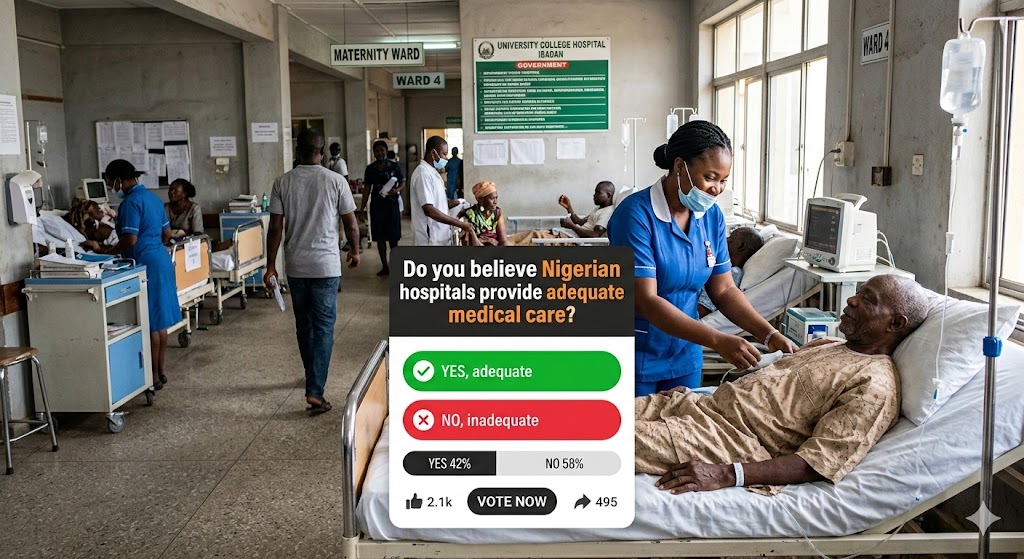
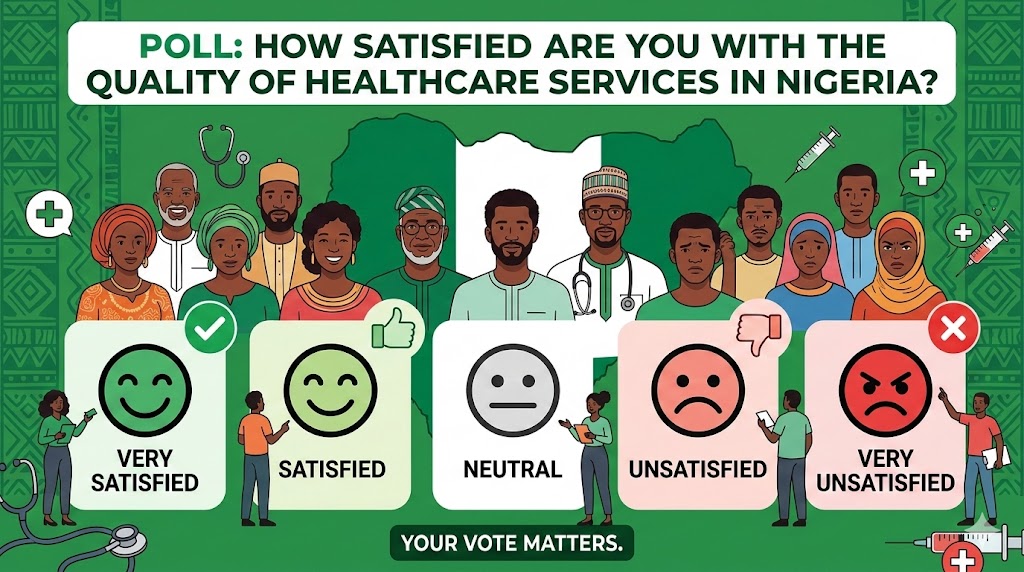
Governments frequently rely on opinion polls and surveys to gauge public sentiment on specific issues. These tools help policymakers understand how citizens perceive proposed laws, reforms, or government actions.
When polls reveal strong opposition to a policy, governments may delay, modify, or abandon it to avoid political backlash. Conversely, widespread public support can encourage leaders to push forward with reforms, even in the face of elite resistance.
3. Media and Public Discourse
Traditional media and social media play a major role in amplifying public opinion. News coverage, talk shows, opinion columns, and online discussions shape how issues are framed and perceived by the public.
Governments often respond to sustained media attention on issues such as corruption, insecurity, inflation, or human rights abuses. Intense public discourse can force policymakers to address problems they might otherwise ignore, especially when negative coverage damages public trust.
4. Protests, Advocacy, and Social Movements
Public demonstrations, protests, and advocacy campaigns are powerful expressions of public opinion. History shows that sustained public pressure can lead to significant policy changes, including civil rights reforms, labor laws, environmental protections, and governance reforms.
When protests gain widespread support, governments are often compelled to negotiate, introduce reforms, or change policies to restore public confidence and social order.
5. Interest Groups and Civil Society Organizations
Civil society organizations, professional associations, labor unions, and advocacy groups act as intermediaries between the public and policymakers. They aggregate public opinion, conduct research, lobby decision-makers, and raise awareness about specific issues.
Governments often consult these groups during policy formulation, particularly on technical or sector-specific matters. Their influence increases when they represent large or politically active segments of the population.
Limits of Public Opinion in Policy Making
While public opinion is influential, it does not always determine government policy. Several factors can limit its impact:
Elite interests: Political and economic elites may push policies that serve their interests, even when public opinion is divided or opposed.
Complexity of issues: Some policies, such as monetary policy or foreign relations, involve technical considerations that the general public may not fully understand.
Short-term vs long-term goals: Governments may resist popular demands if they believe such demands conflict with long-term national interests.
Manipulation of public opinion: Governments and political actors sometimes attempt to shape or manipulate public opinion through propaganda, selective information, or misinformation.
Public Opinion in the Digital Age
The rise of social media has transformed how public opinion influences government policy. Citizens now have direct platforms to express their views, mobilize support, and hold leaders accountable in real time.
Hashtags, online petitions, viral videos, and digital campaigns can quickly elevate issues onto the national agenda. However, the digital age also introduces challenges such as misinformation, echo chambers, and polarized opinions, which can complicate policy responses.
Governments must now balance responsiveness with responsibility, ensuring that policies are informed by credible public sentiment rather than momentary online outrage.
Why Public Opinion Still Matters
Despite its limitations, public opinion remains a cornerstone of accountable governance. It provides legitimacy to government actions, promotes transparency, and ensures that policies reflect the needs and aspirations of the people.
When governments consistently ignore public opinion, they risk losing trust, facing political instability, or provoking social unrest. Conversely, when citizens feel heard and represented, democratic institutions are strengthened.
Public opinion is a powerful force that shapes government policy through elections, media, protests, surveys, and civic engagement. While it does not always dictate policy outcomes, it significantly influences the direction, timing, and nature of government decisions.
In an increasingly connected world, understanding and engaging with public opinion is no longer optional for governments—it is essential. For citizens, expressing informed opinions and participating in public discourse remains one of the most effective ways to influence the policies that shape their lives.
How Public Opinion Influences Government Policy
General
General
Ikechukwu Anaekwe
February 08, 2026
6 min read
0 Shares
Latest Polls
Latest Datasets
No datasets available yet.
Related Posts in General
Free survey tool for Nigerian businesses
In today’s competitive Nigerian market, data is no longer optional — it is e...
Ojo-Olayinka Foluwasomi
Mar 02, 2026
Political Polling in Nigeria: Methods, Accuracy & Trends
Political polling has become an essential part of democratic societies, providin...
Ojo-Olayinka Foluwasomi
Mar 02, 2026
The Future of Digital Voting & Online Polling in Nigeria
The rise of digital technology has transformed the way people interact, share op...
Ojo-Olayinka Foluwasomi
Mar 02, 2026

How Businesses Can Use Opinion Polls to Grow in Nigeria.
In today’s digital era, businesses in Nigeria face an increasingly competitive...
Ojo-Olayinka Foluwasomi
Mar 02, 2026

How to Create Viral Polls That Nigerians Love to Vote On
Creating viral polls that Nigerians love to vote on is both an art and a science...
Ojo-Olayinka Foluwasomi
Mar 02, 2026


Comments (0)
No comments yet. Be the first to comment!