Polls are powerful tools for understanding opinions, behaviors, and trends—but only when they are designed correctly. Poorly designed polls can mislead, confuse respondents, or produce biased results that don’t reflect reality. If you want people to answer honestly, your poll questions must be clear, neutral, relevant, and thoughtfully structured.
Whether you’re running political polls, market research surveys, online opinion polls, or community feedback forms, effective poll design is the difference between meaningful insights and useless data. This article explores proven principles of poll design and shows you how to ask questions that encourage honest, accurate responses.
Why Poll Design Matters
The quality of your poll results depends less on the number of respondents and more on how the questions are asked. Even a large poll can be unreliable if the questions are confusing or biased.
Good poll design helps to:
Reduce respondent misunderstanding
Minimize bias and manipulation
Encourage truthful answers
Improve completion rates
Produce actionable, credible insights
When respondents trust your poll and understand what you’re asking, they are more likely to respond honestly.
Start With a Clear Objective
Before writing a single question, define the purpose of your poll. Ask yourself:
What decision will this data support?
What specific insight am I trying to uncover?
Who is the target audience?
A poll without a clear objective often includes unnecessary or vague questions, which frustrates respondents and dilutes results. Every question should serve a clear purpose aligned with your poll’s goal.
Use Simple and Clear Language
Clarity is the foundation of honest responses. If respondents don’t fully understand a question, they may guess, skip it, or answer inaccurately.
Best practices include:
Use short sentences
Avoid technical jargon and acronyms
Use everyday language your audience understands
Ask one thing at a time
For example, instead of asking:
“How satisfied are you with the efficiency and affordability of public transportation?”
Split it into two separate questions—one about efficiency, another about affordability.
Avoid Leading and Biased Questions
Leading questions subtly push respondents toward a particular answer, often without them realizing it. This compromises honesty and credibility.
Biased question example:
“Do you agree that the government’s new policy is beneficial to the economy?”
Neutral version:
“What is your opinion on the government’s new economic policy?”
Always aim for neutrality. Your role as a poll designer is to collect opinions—not shape them.
Don’t Use Loaded or Emotional Language
Emotionally charged words can influence how people respond. Words like failure, disaster, corrupt, or excellent may trigger emotional reactions rather than thoughtful answers.
Instead, use neutral wording that allows respondents to express their true views. Emotional neutrality helps respondents feel safe giving honest feedback, even if their opinion is unpopular.
Offer Balanced Answer Options
When using multiple-choice or rating-scale questions, make sure the options are balanced and complete.
Poor example:
Very good
Good
Fair
This leaves out negative responses and forces respondents into positive answers.
Better example:
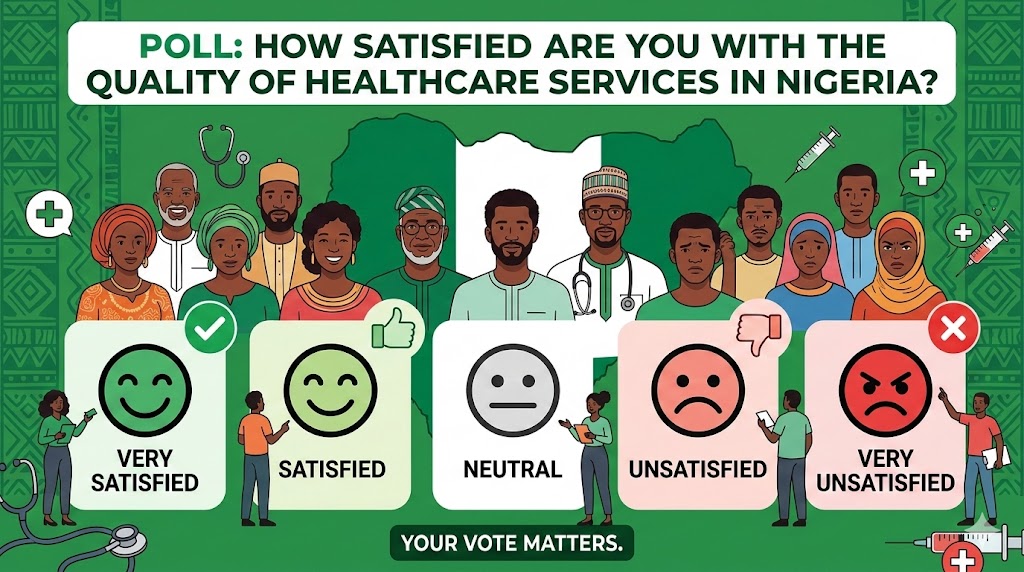
Very satisfied
Somewhat satisfied
Neutral
Somewhat dissatisfied
Very dissatisfied
Balanced options give respondents permission to be honest, even if their opinion is negative.
Avoid Double-Barreled Questions
A double-barreled question asks about two issues at once but allows only one answer.
Example:
“Do you trust and approve of your local government?”
A respondent might trust the government but not approve of its actions—or vice versa. This makes the answer unclear.
Always separate complex ideas into individual questions so each response accurately reflects the respondent’s opinion.
Use the Right Question Types
Different insights require different question formats. Choosing the right type helps respondents answer more accurately.
Common poll question types include:
Multiple choice: Best for quick, structured responses
Likert scale (ratings): Useful for measuring intensity of opinion
Yes/No: Simple but limited in depth
Open-ended: Allows detailed, honest explanations
Use open-ended questions sparingly, as they require more effort, but they can reveal insights you didn’t anticipate.
Ensure Anonymity and Build Trust
People are more honest when they feel safe. If respondents fear judgment, identification, or consequences, they may give socially acceptable answers instead of truthful ones.
To improve honesty:
Make polls anonymous where possible
Clearly state how data will be used
Avoid collecting unnecessary personal information
Reassure respondents about privacy
Trust encourages transparency.
Keep Polls Short and Focused
Long polls lead to fatigue, rushed answers, or abandonment. When respondents lose interest, data quality drops.
Tips for better completion:
Ask only essential questions
Group related questions together
Place the most important questions early
Avoid repetitive or redundant items
A shorter, focused poll often produces more honest answers than a long, exhaustive one.
Test Your Poll Before Publishing
Before launching your poll, test it with a small group. This helps you identify:
Confusing wording
Ambiguous answer options
Technical issues
Questions that feel biased or uncomfortable
Feedback from testing allows you to refine your questions and improve response quality.
Analyze Results With Context in Mind
Even well-designed polls require careful interpretation. Consider factors such as:
Sample size and representativeness
Timing of the poll
Cultural or social context
Question order effects
Honest answers are valuable, but understanding why people responded the way they did is equally important.
Poll design is both an art and a science. Asking the right questions—clearly, neutrally, and respectfully—is the key to collecting honest, reliable data. When respondents understand your questions and trust your intentions, they are far more likely to tell the truth.
Whether you’re conducting political polls, market research, or public opinion surveys, investing time in thoughtful poll design will reward you with insights you can actually rely on. In the end, honest answers begin with honest questions.
Poll Design: How to Ask Questions That Get Honest Answers
General
General
Ikechukwu Anaekwe
February 07, 2026
5 min read
0 Shares
Latest Polls
Latest Datasets
No datasets available yet.
Related Posts in General
Free survey tool for Nigerian businesses
In today’s competitive Nigerian market, data is no longer optional — it is e...
Ojo-Olayinka Foluwasomi
Mar 02, 2026
Political Polling in Nigeria: Methods, Accuracy & Trends
Political polling has become an essential part of democratic societies, providin...
Ojo-Olayinka Foluwasomi
Mar 02, 2026

The Future of Digital Voting & Online Polling in Nigeria
The rise of digital technology has transformed the way people interact, share op...
Ojo-Olayinka Foluwasomi
Mar 02, 2026

How Businesses Can Use Opinion Polls to Grow in Nigeria.
In today’s digital era, businesses in Nigeria face an increasingly competitive...
Ojo-Olayinka Foluwasomi
Mar 02, 2026

How to Create Viral Polls That Nigerians Love to Vote On
Creating viral polls that Nigerians love to vote on is both an art and a science...
Ojo-Olayinka Foluwasomi
Mar 02, 2026


Comments (0)
No comments yet. Be the first to comment!