In public discourse, business strategy, governance, and media analysis, data has become the backbone of decision-making. From election forecasts and policy debates to product launches and consumer behavior analysis, organizations increasingly rely on public opinion and audience insights.
However, one common challenge is the frequent confusion between polls, surveys, and market research. Although closely related, these terms do not mean the same thing, and misunderstanding their differences can lead to flawed conclusions and poor decisions.
For platforms like OpinionHub.ng, where ideas, opinions, and data-driven conversations intersect, understanding the distinction between polls, surveys, and market research is especially important. Each serves a different purpose, offers a different level of depth, and answers different kinds of questions.
A poll is the simplest and fastest form of opinion measurement. It is designed to capture people’s views on a specific issue at a particular moment in time.
Polls usually focus on one topic and ask a very limited number of questions, often just one. Their goal is not to explain behavior or explore motivations but to provide a snapshot of public sentiment. This is why polls are commonly used in political reporting, media commentary, and online platforms where speed and immediacy matter.
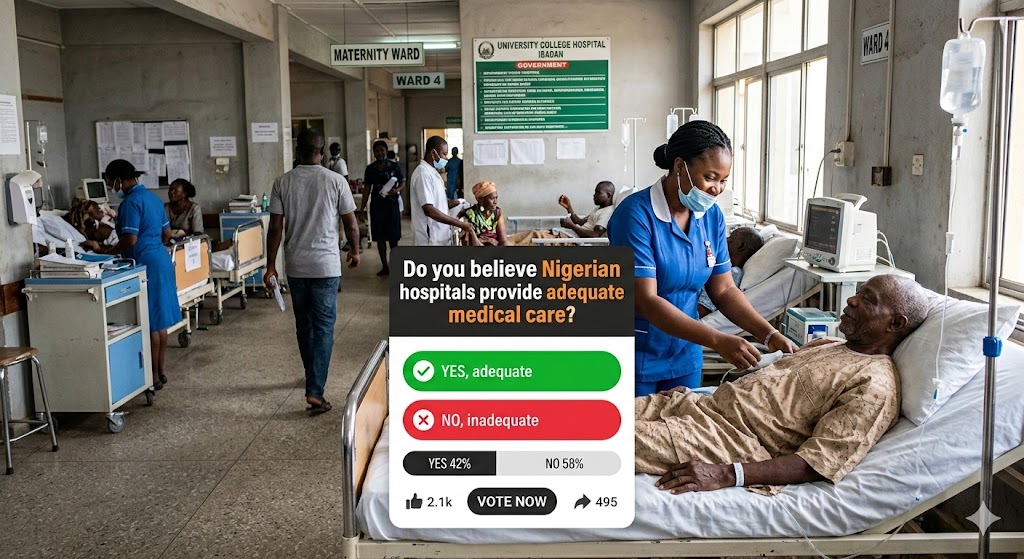
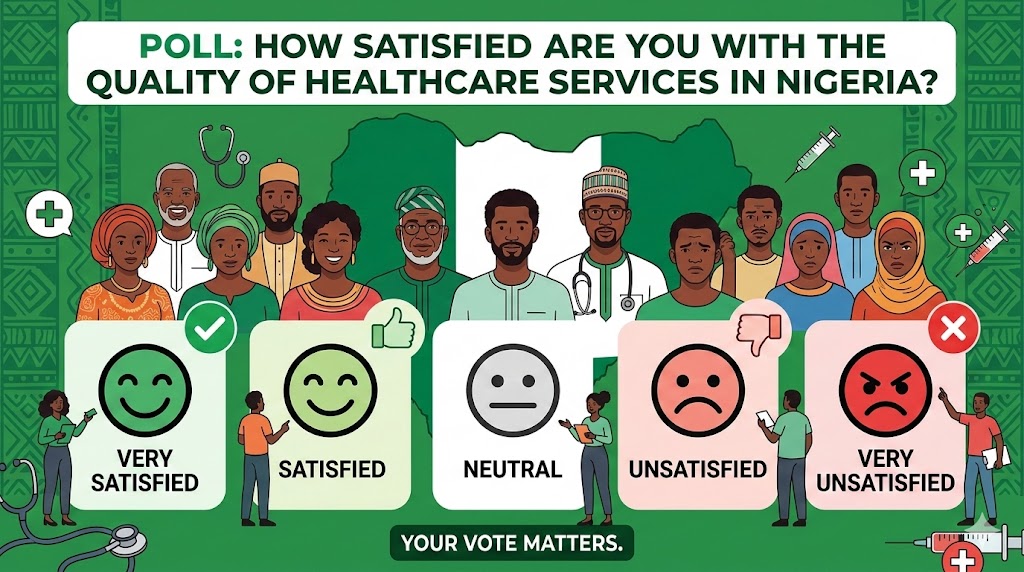
On news and opinion websites, polls often appear as quick questions asking readers to choose between options such as support or opposition, approval or disapproval, or preference for one alternative over another.
The value of a poll lies in its ability to reflect trends and shifts in opinion quickly. However, polls rarely provide context. They can show what people think, but they usually cannot explain why people think that way. This limitation means that while polls are excellent for sparking discussion and highlighting trends, they should not be treated as comprehensive evidence for complex decisions.
Surveys, on the other hand, go a step further by collecting structured information through multiple questions. Unlike polls, surveys are designed to explore opinions, behaviors, attitudes, and experiences in greater detail. A survey may examine how people feel about an issue, what influences their choices, how frequently they engage in certain behaviors, and how satisfied they are with a service or policy.
Surveys are widely used in academic research, public policy analysis, customer feedback collection, and organizational assessments. They allow researchers to identify patterns across different demographic groups and measure changes over time. Because surveys involve more questions and more thoughtful design, they provide richer insights than polls.
However, they also require more time to conduct and analyze. Poorly designed surveys can produce misleading results, which is why careful wording, sampling, and data interpretation are critical.
Despite their depth, surveys still have limits. While they can tell researchers what is happening and how widespread certain views or behaviors are, they may not fully capture the broader market environment or competitive landscape. This is where market research comes in.
Market research is a comprehensive and strategic process that goes beyond asking questions. It involves gathering, analyzing, and interpreting data about a market, an industry, consumers, competitors, and external trends. Market research often combines multiple methods, including surveys, polls, interviews, focus groups, and analysis of existing data such as industry reports and economic statistics.
The primary goal of market research is to support long-term decision-making. Businesses use market research to assess demand, understand customer needs, evaluate competition, determine pricing strategies, and identify growth opportunities. Governments and institutions also rely on market research to shape policies, plan interventions, and measure social and economic impact.
What distinguishes market research from polls and surveys is its scope and depth. Market research does not focus on a single question or audience response in isolation. Instead, it seeks to understand the bigger picture by connecting consumer insights with market dynamics, industry trends, and strategic objectives. Because of this, market research is usually more expensive and time-consuming, but it significantly reduces uncertainty and risk.
Understanding the difference between these three tools is crucial because they are often misused or overstated. Treating a simple poll as if it were comprehensive market research can lead to overconfidence in weak data. Similarly, relying on a survey alone without understanding the broader market context can result in incomplete conclusions.
In practice, polls and surveys are often components of a larger market research effort. A research process might begin with a poll to test public interest in a topic, follow up with surveys to gather structured feedback, and then use qualitative research to explore motivations and perceptions in depth. When used together, these tools complement each other and provide a more accurate understanding of reality.
For an opinion-driven platform like OpinionHub.ng, this distinction matters even more. Polls are powerful tools for engaging readers, stimulating debate, and capturing real-time public sentiment on social, political, and economic issues. Surveys help deepen conversations by uncovering patterns and perspectives across different segments of society. Market research, meanwhile, provides the evidence base needed for serious analysis, policy recommendations, and long-form opinion pieces that aim to influence decision-makers.
Ultimately, the choice between a poll, a survey, or market research depends on the question being asked. If the goal is to understand public mood quickly, a poll may be sufficient. If the aim is to gather structured feedback and measurable insights, a survey is more appropriate. If the objective is to make strategic decisions or understand a market or issue in depth, market research is essential.
In an era where data is abundant but insight is scarce, knowing the difference between polls, surveys, and market research is not just a technical issue. It is a critical skill for responsible journalism, informed public debate, and effective decision-making. When these tools are used correctly and interpreted honestly, they strengthen public discourse and help societies make better choices.

The Difference Between Polls, Surveys, and Market Research
General
General
Ikechukwu Anaekwe
February 07, 2026
5 min read
0 Shares
Latest Polls

Latest Datasets
No datasets available yet.
Related Posts in General
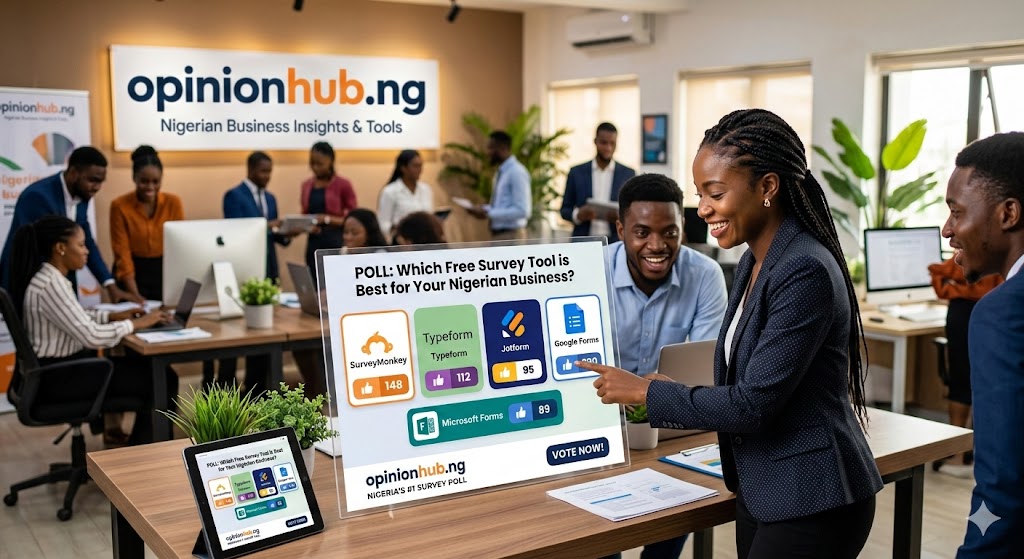
Free survey tool for Nigerian businesses
In today’s competitive Nigerian market, data is no longer optional — it is e...
Ojo-Olayinka Foluwasomi
Mar 02, 2026
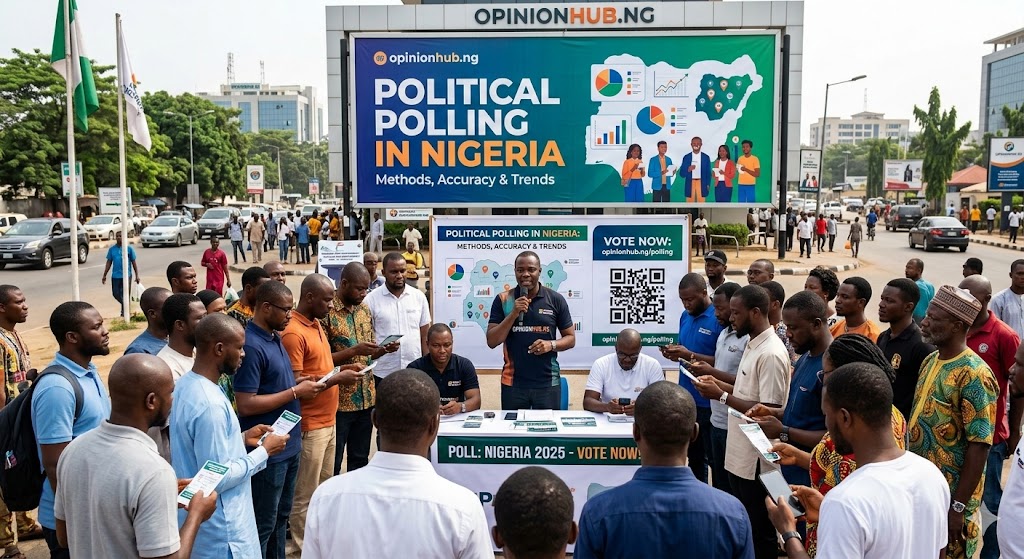
Political Polling in Nigeria: Methods, Accuracy & Trends
Political polling has become an essential part of democratic societies, providin...
Ojo-Olayinka Foluwasomi
Mar 02, 2026

The Future of Digital Voting & Online Polling in Nigeria
The rise of digital technology has transformed the way people interact, share op...
Ojo-Olayinka Foluwasomi
Mar 02, 2026

How Businesses Can Use Opinion Polls to Grow in Nigeria.
In today’s digital era, businesses in Nigeria face an increasingly competitive...
Ojo-Olayinka Foluwasomi
Mar 02, 2026

How to Create Viral Polls That Nigerians Love to Vote On
Creating viral polls that Nigerians love to vote on is both an art and a science...
Ojo-Olayinka Foluwasomi
Mar 02, 2026


Comments (0)
No comments yet. Be the first to comment!