Public opinion plays a powerful role in shaping government policy in democratic and semi-democratic societies across the world. From electoral outcomes to legislative priorities, the collective views, attitudes, and sentiments of citizens often determine what governments choose to act on, delay, or abandon altogether. In an era dominated by social media, instant news, opinion polls, and civic activism, public opinion has become more visible—and influential—than ever before.
Understanding how public opinion influences government policy helps citizens appreciate their power, governments design responsive policies, and institutions strengthen democratic accountability.
What Is Public Opinion?
Public opinion refers to the aggregate of individual attitudes, beliefs, and preferences held by the population on political, social, and economic issues. It is shaped by personal experiences, cultural values, media narratives, education, peer influence, and major events such as elections, protests, or economic crises.
Public opinion is often measured through:
Opinion polls and surveys
Elections and referendums
Media commentary and editorials
Social media trends and online discourse
Public protests and civic movements
While individual opinions may vary widely, policymakers tend to focus on dominant or majority views, especially on issues with high public visibility.
Why Governments Pay Attention to Public Opinion
Governments pay close attention to public opinion for several key reasons:
1. Electoral Survival
In democratic systems, elected officials depend on voters to remain in power. Policies that strongly contradict public sentiment can result in electoral defeat. As a result, politicians often align their decisions with what voters want—or what they believe voters want.
2. Political Legitimacy
Public support gives legitimacy to government actions. When policies reflect popular opinion, citizens are more likely to accept them, comply with regulations, and trust institutions. Conversely, policies perceived as unpopular or imposed can trigger resistance, protests, or civil unrest.
3. Policy Effectiveness
Policies that enjoy public support are easier to implement and sustain. For example, tax reforms, public health measures, or environmental regulations tend to succeed when citizens understand and support them.
Key Channels Through Which Public Opinion Influences Policy
Elections and Voting Behavior
Elections are the most direct mechanism through which public opinion shapes government policy. Political parties study voter preferences carefully and craft manifestos around popular issues such as employment, security, healthcare, education, and cost of living.
Once elected, governments often prioritize campaign promises to avoid backlash in future elections. Shifts in voting patterns can also signal changing public priorities, forcing governments to adjust policies.
Opinion Polls and Surveys
Regular opinion polls provide governments with real-time feedback on public attitudes. Polling data influences decisions on controversial issues such as fuel subsidies, taxation, minimum wage, healthcare reforms, or foreign policy.
In many countries, declining approval ratings prompt cabinet reshuffles, policy reversals, or increased public engagement efforts.
Media and Agenda Setting
Traditional media and digital platforms play a crucial role in shaping and amplifying public opinion. Issues that dominate headlines often become policy priorities. This phenomenon, known as agenda setting, means governments may act not only on the most critical issues, but on those receiving the most public attention.
Investigative journalism, opinion columns, radio talk shows, and televised debates can all pressure governments into action.
Social Media and Digital Activism
Social media has transformed how public opinion influences policy. Hashtags, viral videos, online petitions, and influencer commentary can mobilize millions within hours. Governments now monitor social platforms closely to gauge public reaction and manage political risks.
In many cases, online outrage has led to:
Policy suspensions
Official apologies
Investigations and judicial inquiries
Legislative amendments
Digital platforms have reduced the distance between citizens and policymakers.
Protests, Advocacy, and Civil Society
Public demonstrations, strikes, and advocacy campaigns are strong expressions of public opinion. Organized pressure from labor unions, professional bodies, student groups, religious organizations, and NGOs often forces governments to reconsider unpopular policies.
Sustained public pressure has historically influenced reforms in areas such as civil rights, labor laws, electoral reforms, and anti-corruption measures.
Public Opinion and Policy Making in Practice
While public opinion is influential, it does not always directly translate into policy. Governments must balance public preferences with:
Economic realities
Legal and constitutional constraints
International obligations
Expert and technical advice
Long-term national interests
In some cases, governments may act against popular opinion when they believe a policy is necessary for long-term stability. However, such decisions usually require strong communication strategies to explain the rationale and manage public reaction.
Limitations and Challenges of Public Opinion Influence
Manipulation and Misinformation
Public opinion can be shaped by misinformation, propaganda, or emotionally charged narratives. Policies driven solely by misinformed public sentiment may lead to poor outcomes.
Majority vs Minority Interests
Public opinion often reflects majority views, which may overlook or marginalize minority groups. Governments must ensure that policy decisions protect minority rights even when they are unpopular.
Short-Term Thinking
Public opinion can be reactive and short-term, while effective policymaking often requires long-term planning. Governments must balance immediate public demands with sustainable development goals.
The Role of Citizens in Shaping Policy
Citizens influence government policy not only by voting, but also by:
Staying informed
Engaging in constructive debate
Participating in civic forums
Supporting credible advocacy groups
Holding leaders accountable
An informed and engaged public leads to better governance and more responsive policies.
Public opinion is a central force in modern governance. It influences what issues governments prioritize, how policies are designed, and whether reforms succeed or fail. Through elections, media, social movements, and digital platforms, citizens continuously shape the policy environment.
While public opinion should not be the sole driver of policy, it remains a critical pillar of democratic accountability. Governments that listen, engage, and respond thoughtfully to public sentiment are more likely to earn trust, maintain stability, and deliver policies that reflect the collective will of the people.

The Role of Polls in Democratic Societies
General
General
Ikechukwu Anaekwe
February 08, 2026
5 min read
0 Shares
Latest Polls
Latest Datasets
No datasets available yet.
Related Posts in General
Free survey tool for Nigerian businesses
In today’s competitive Nigerian market, data is no longer optional — it is e...
Ojo-Olayinka Foluwasomi
Mar 02, 2026
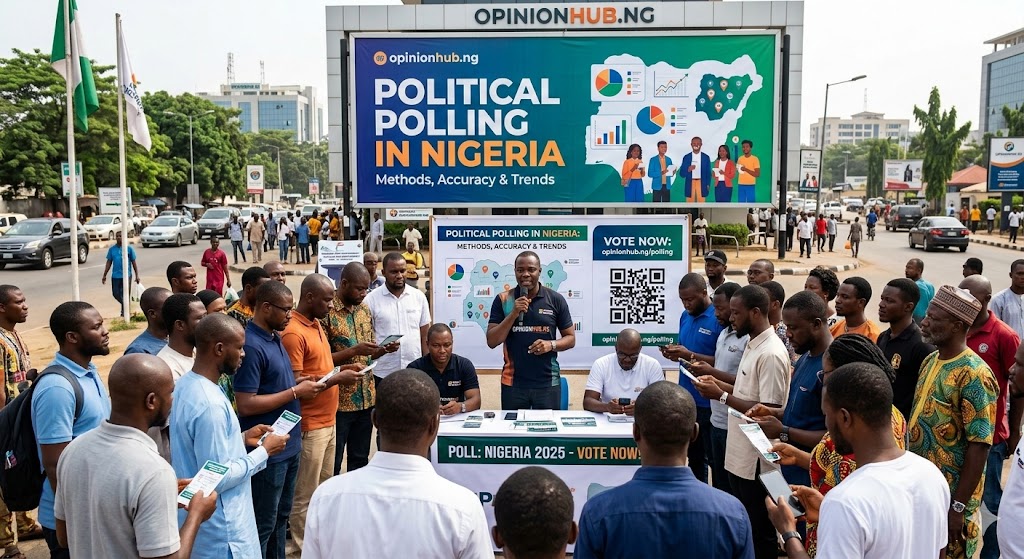
Political Polling in Nigeria: Methods, Accuracy & Trends
Political polling has become an essential part of democratic societies, providin...
Ojo-Olayinka Foluwasomi
Mar 02, 2026
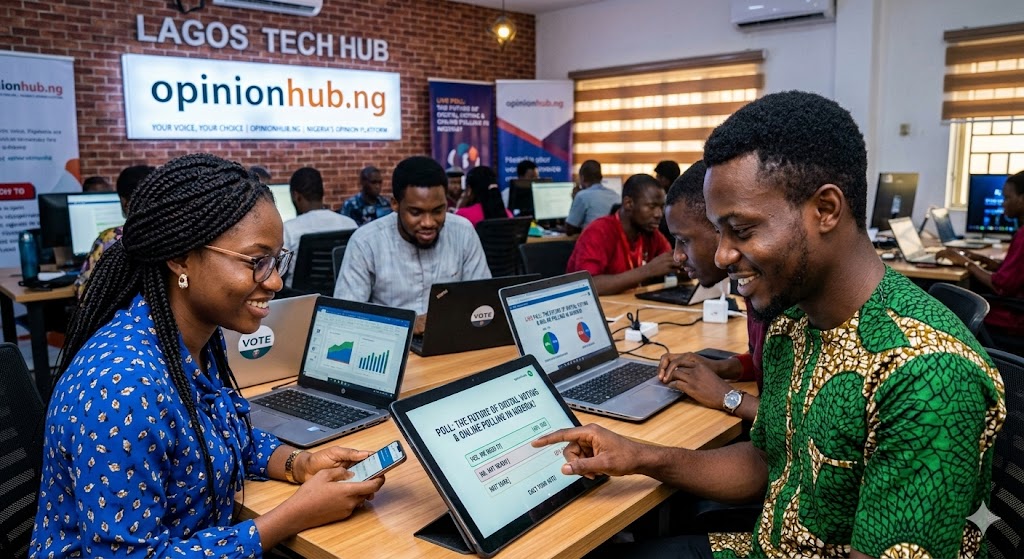
The Future of Digital Voting & Online Polling in Nigeria
The rise of digital technology has transformed the way people interact, share op...
Ojo-Olayinka Foluwasomi
Mar 02, 2026

How Businesses Can Use Opinion Polls to Grow in Nigeria.
In today’s digital era, businesses in Nigeria face an increasingly competitive...
Ojo-Olayinka Foluwasomi
Mar 02, 2026

How to Create Viral Polls That Nigerians Love to Vote On
Creating viral polls that Nigerians love to vote on is both an art and a science...
Ojo-Olayinka Foluwasomi
Mar 02, 2026


Comments (0)
No comments yet. Be the first to comment!